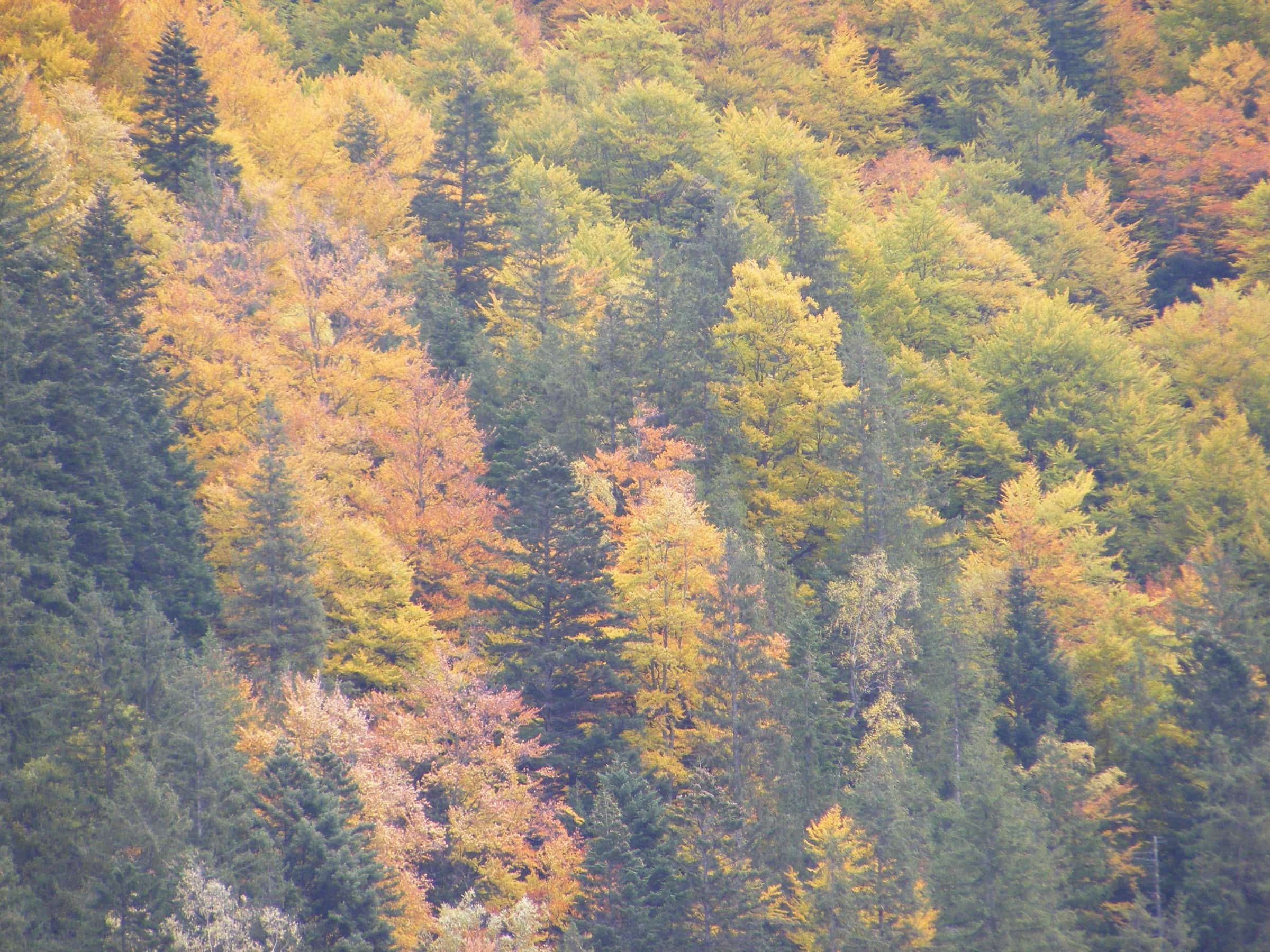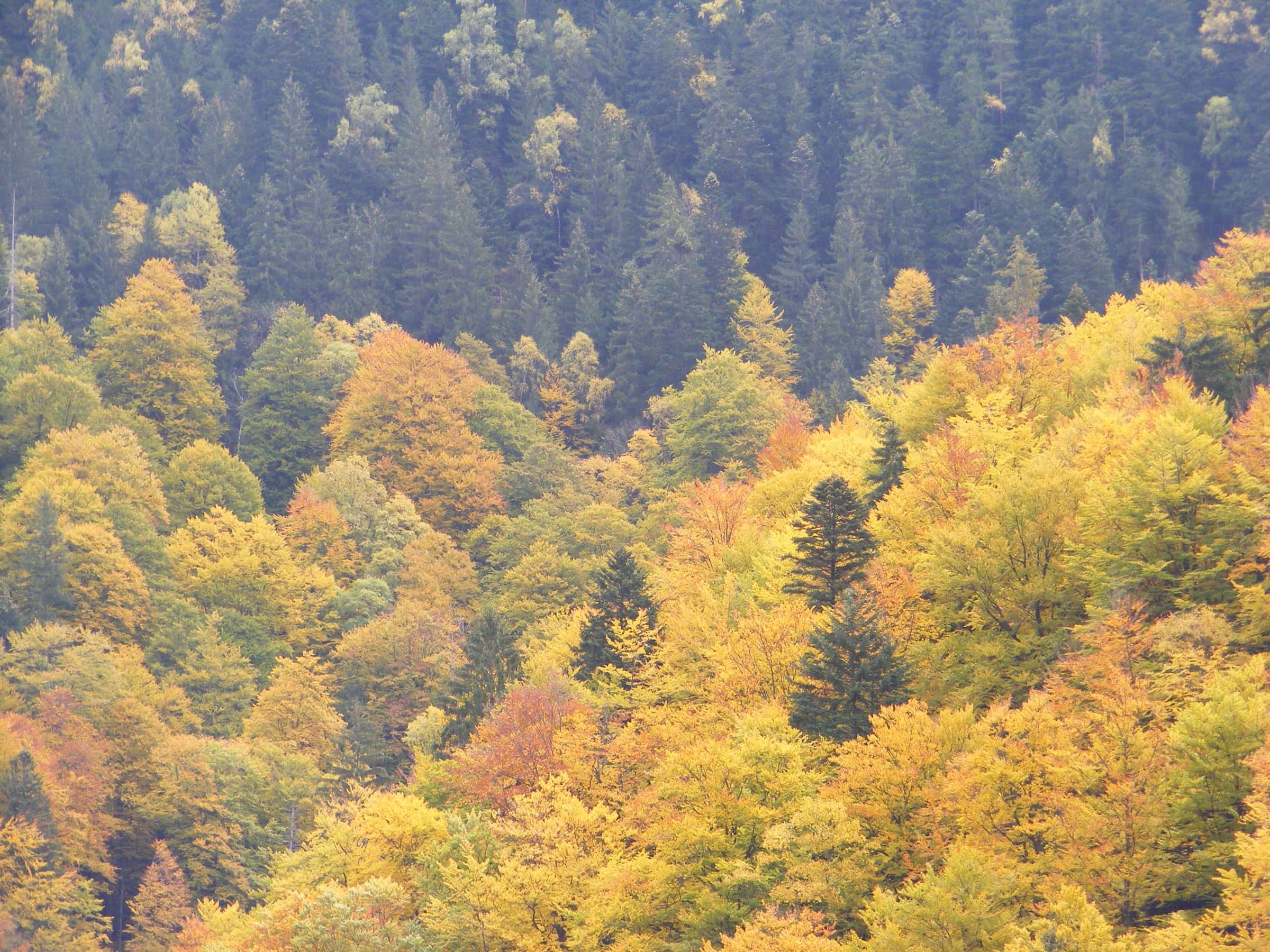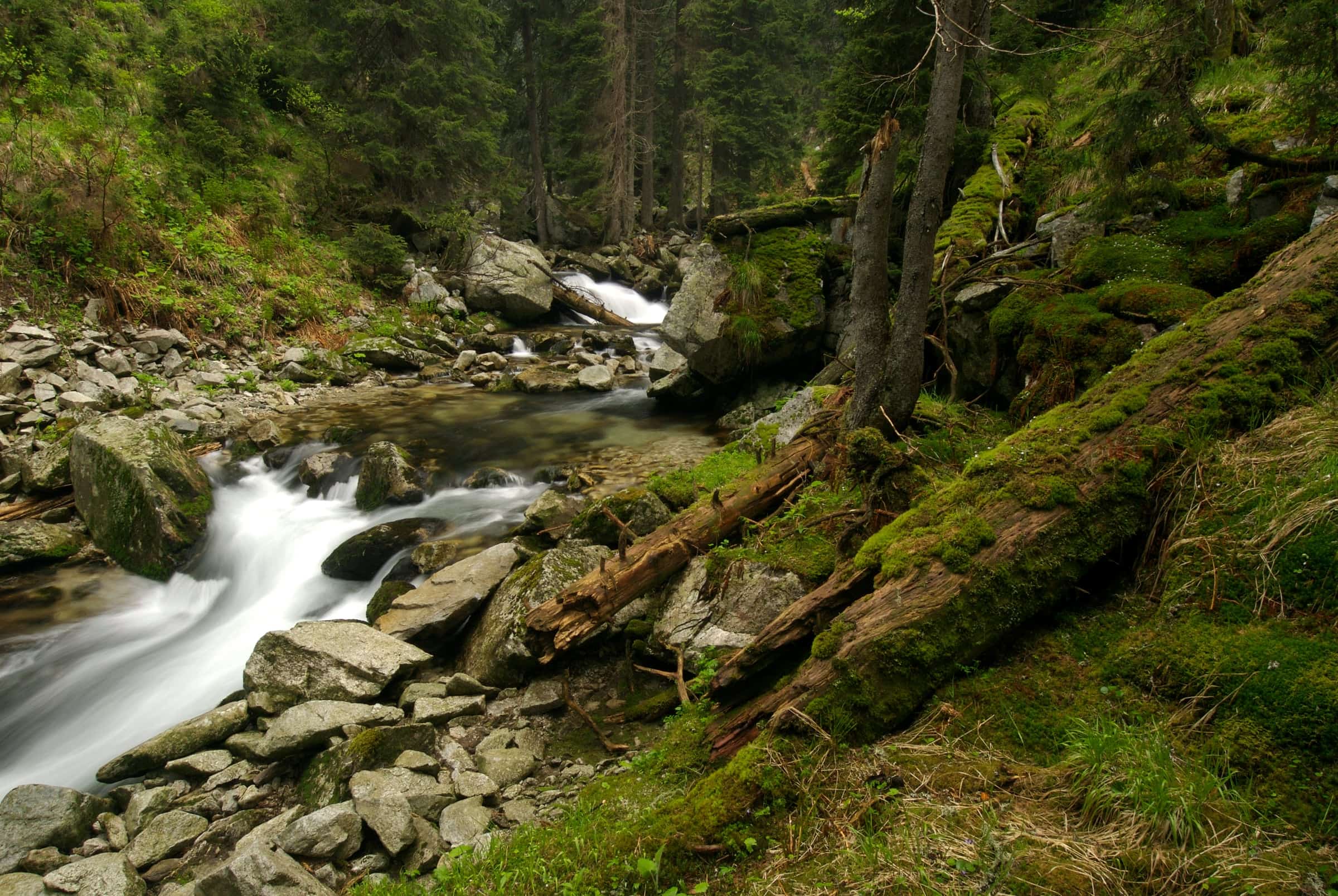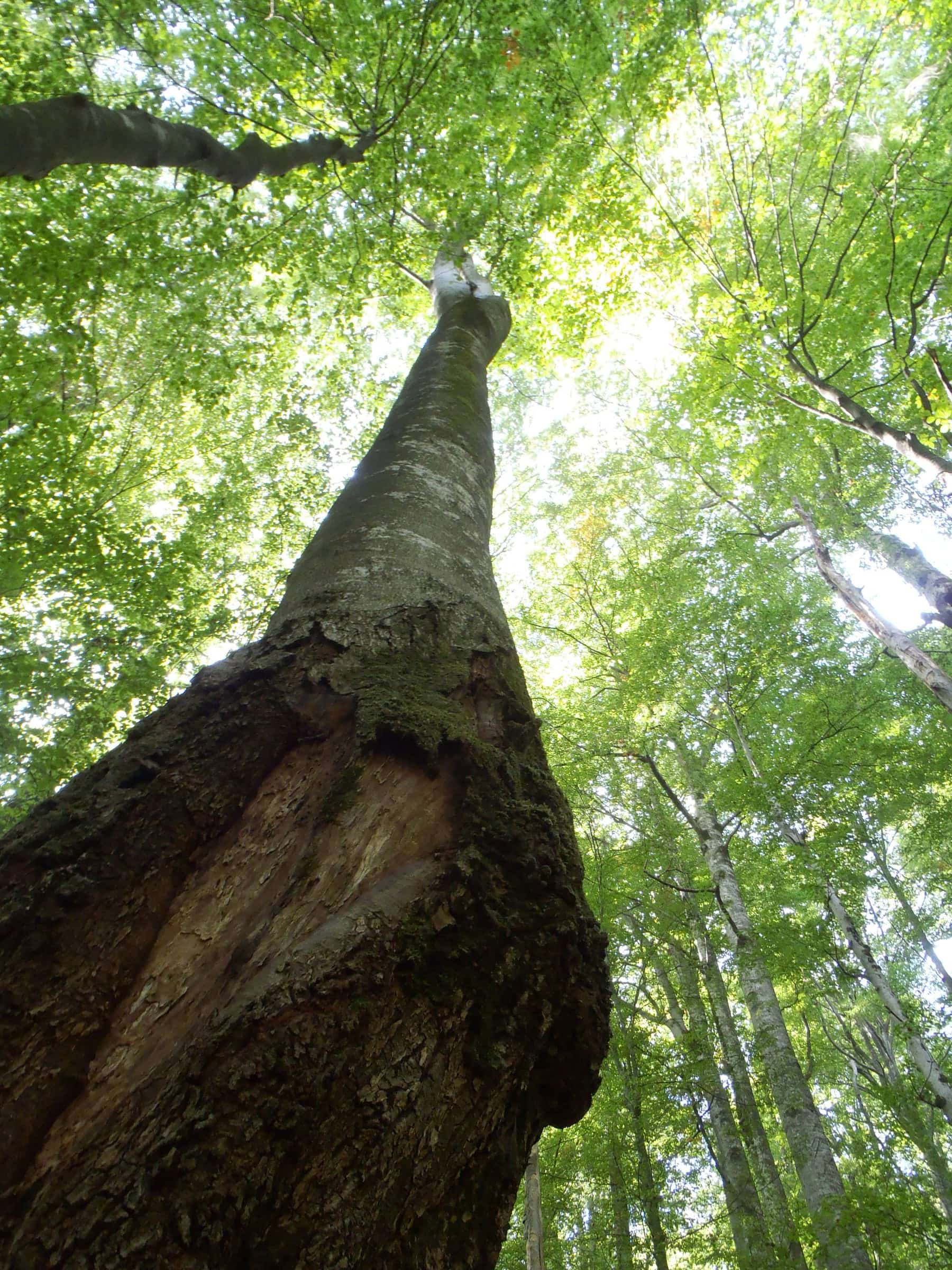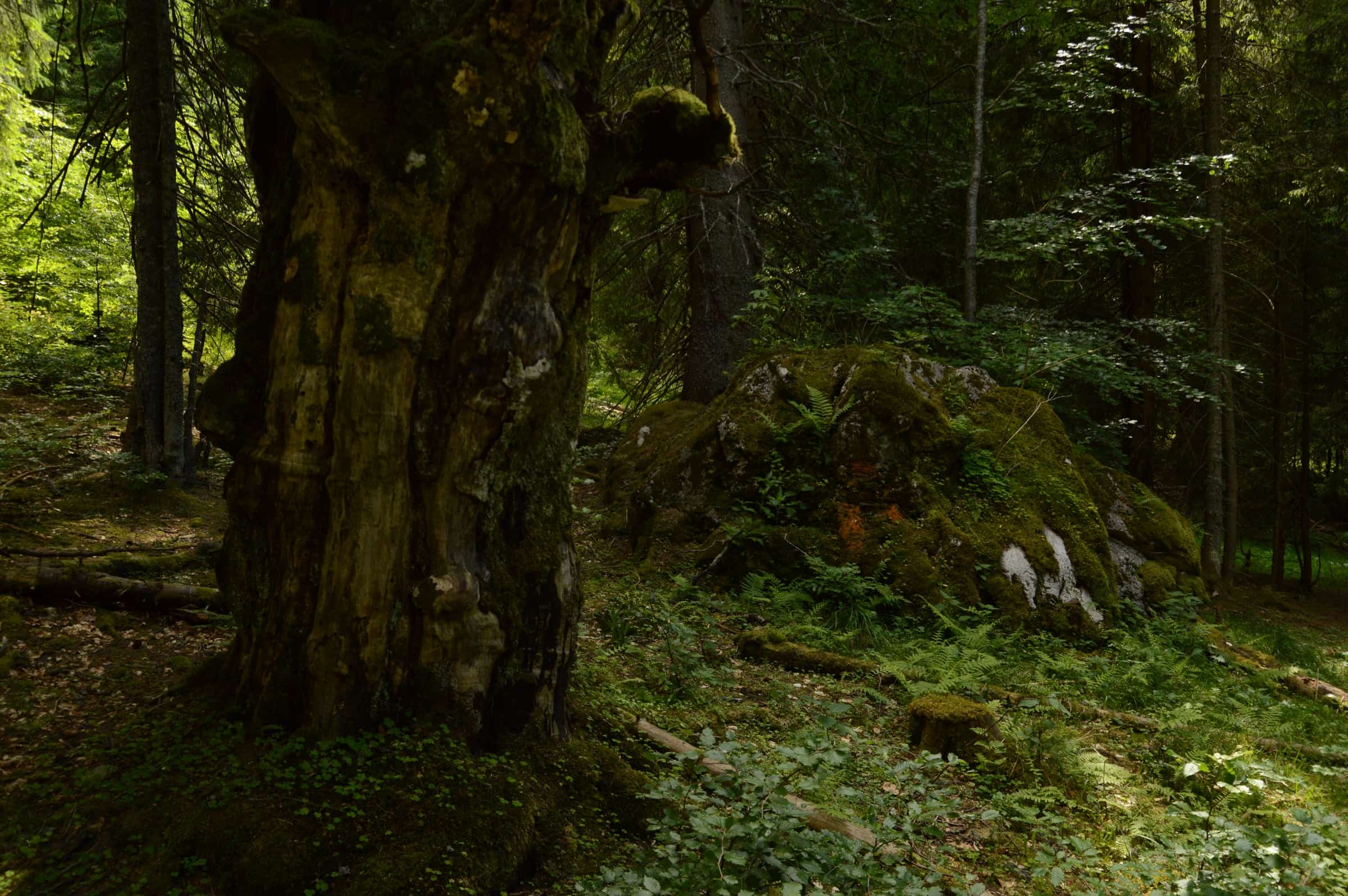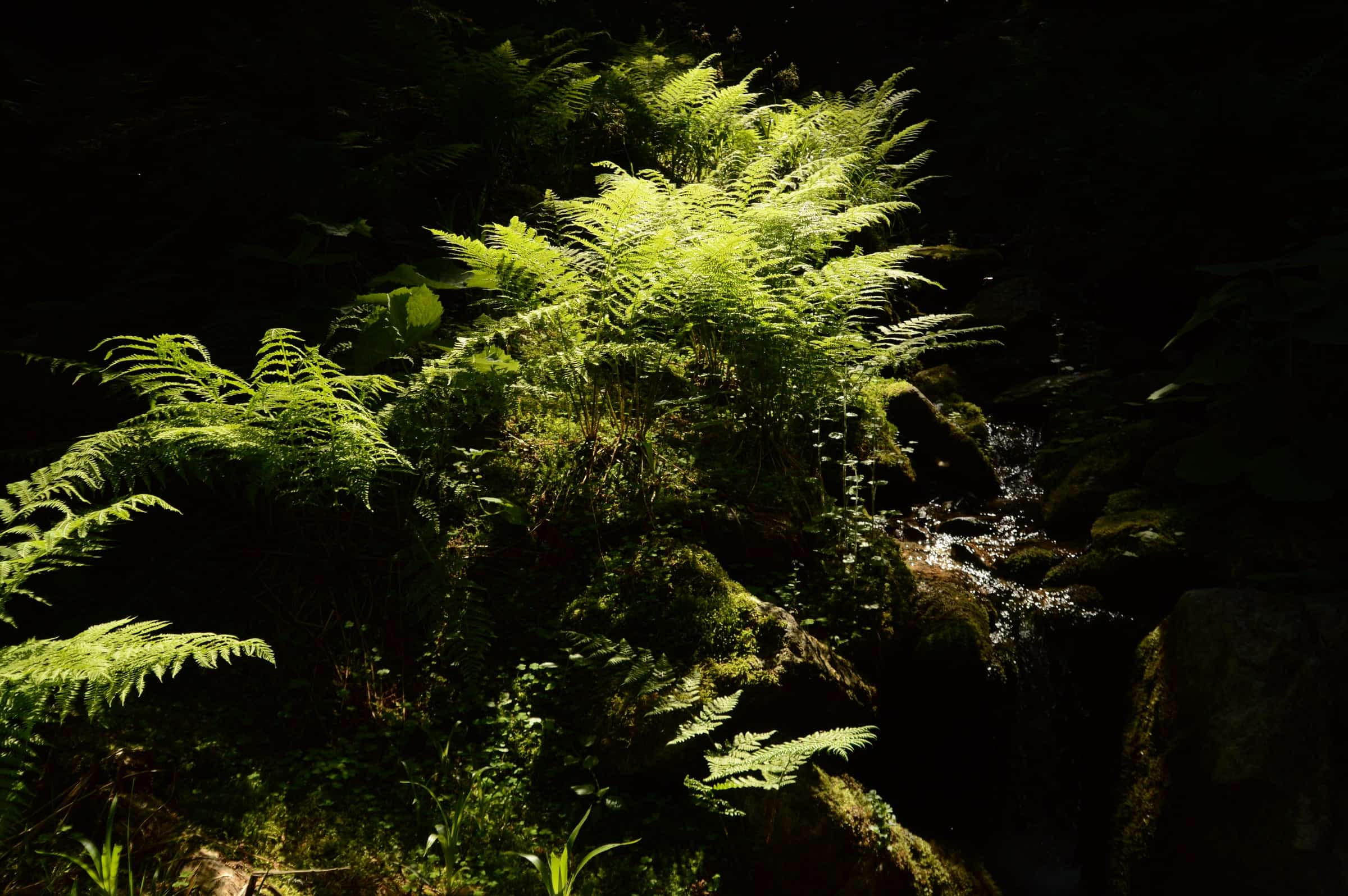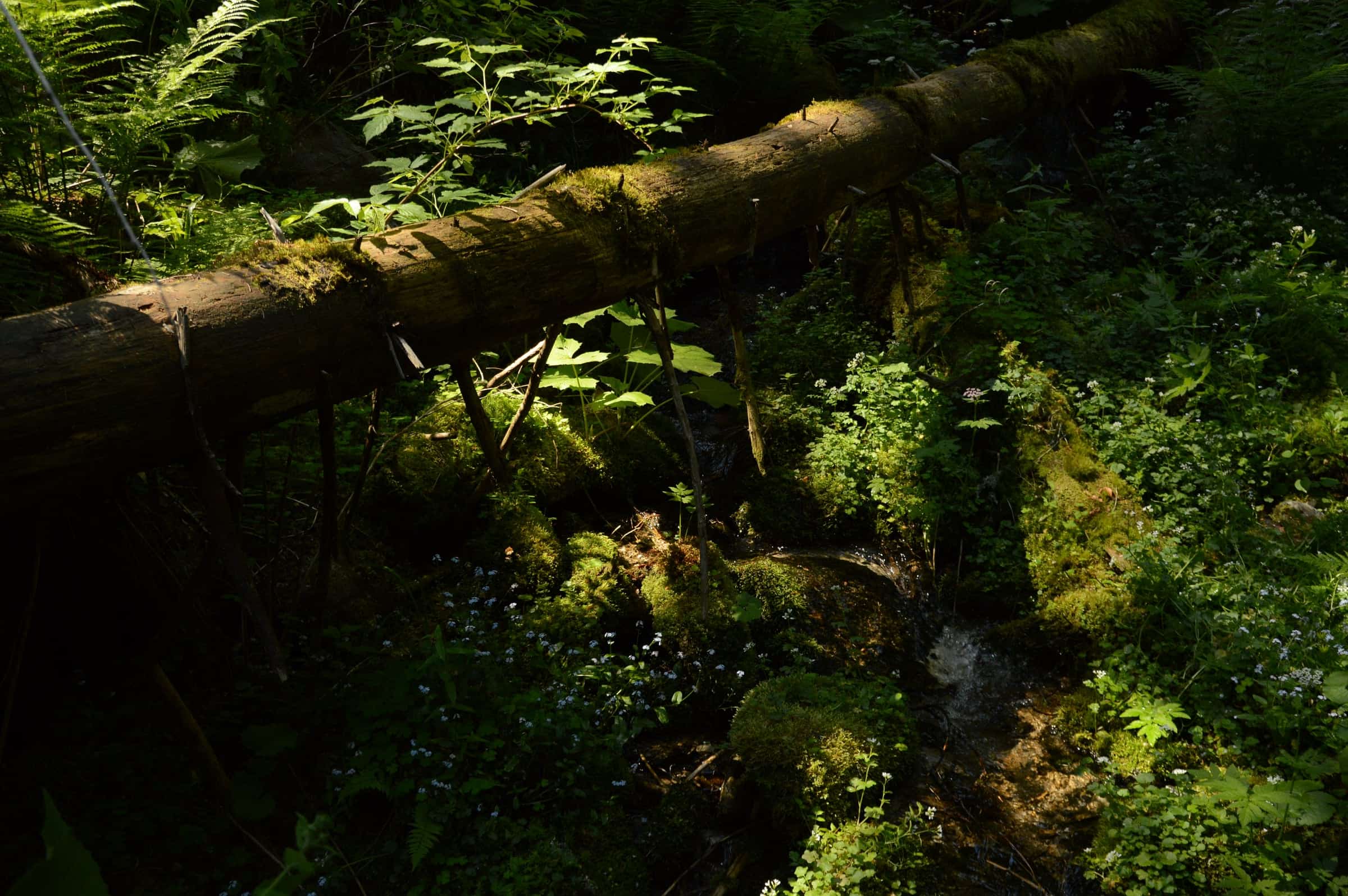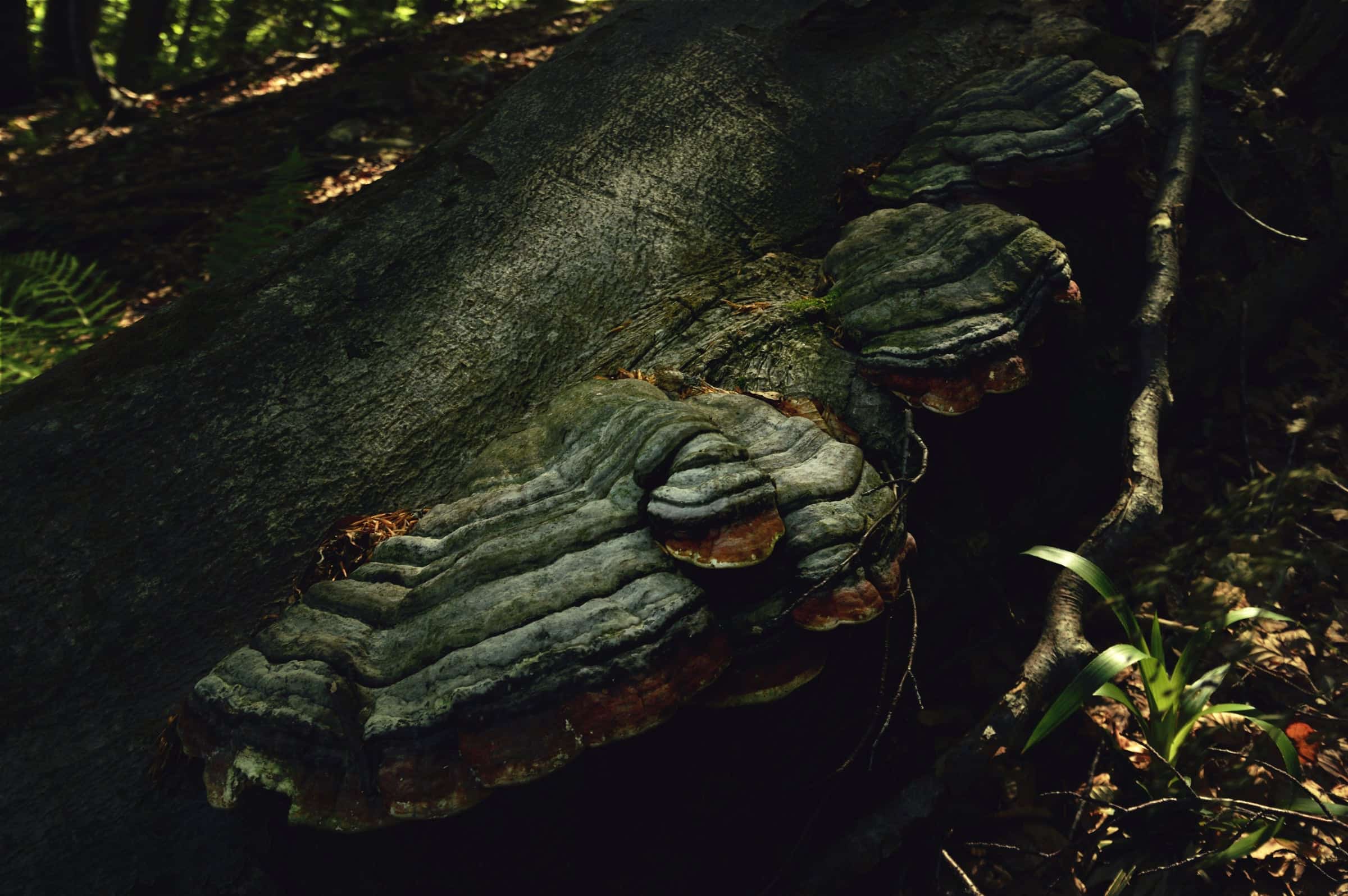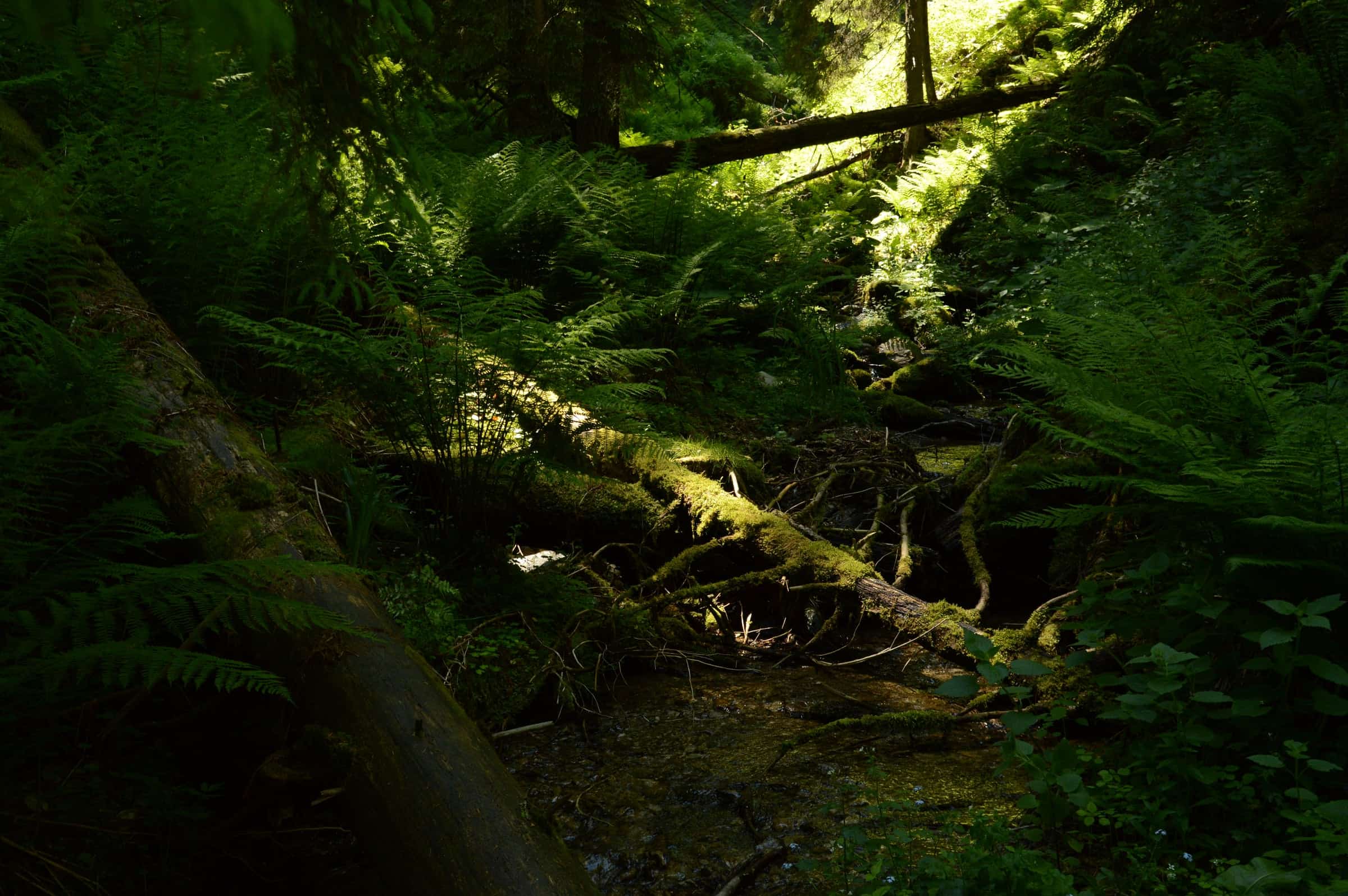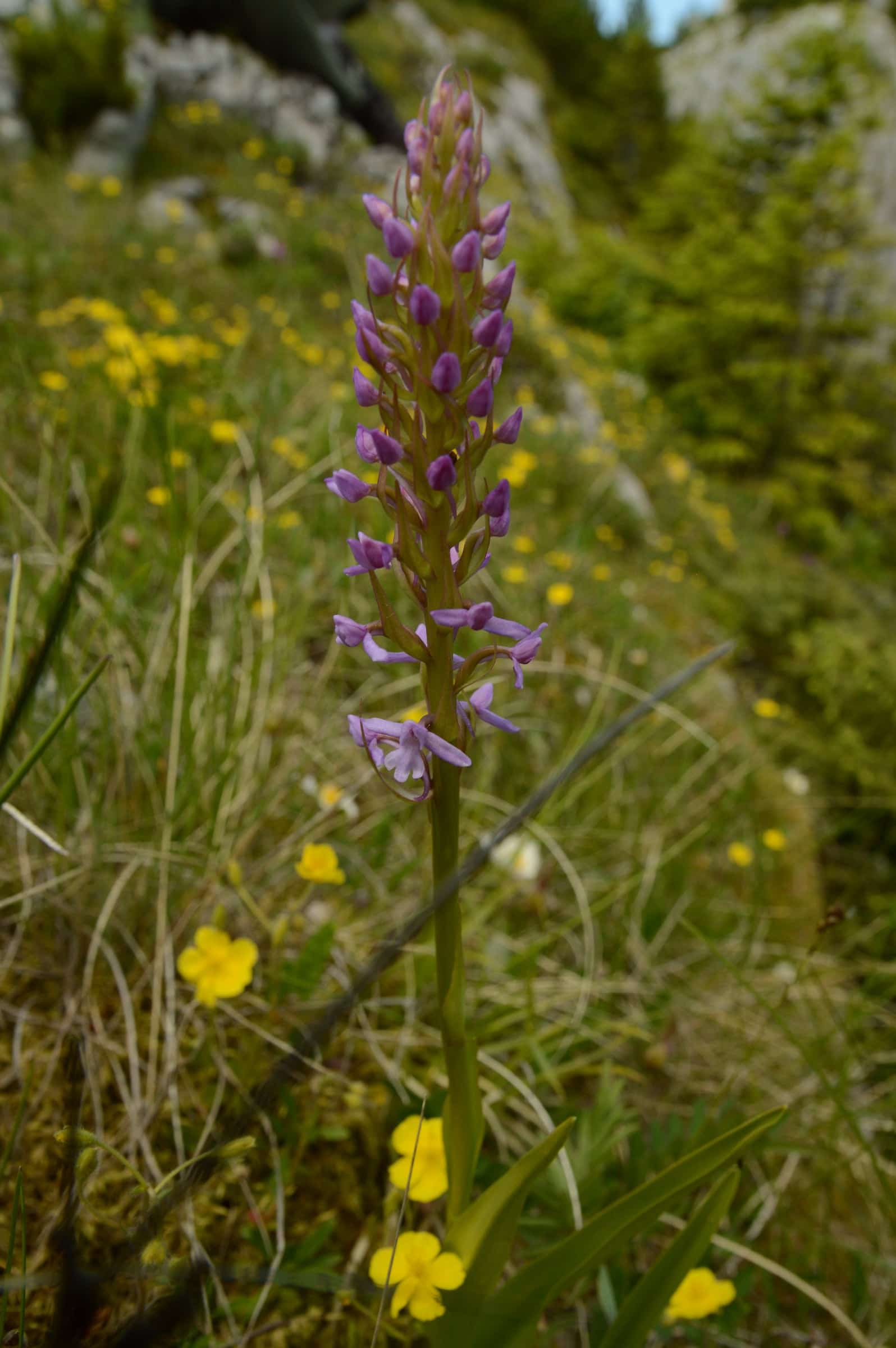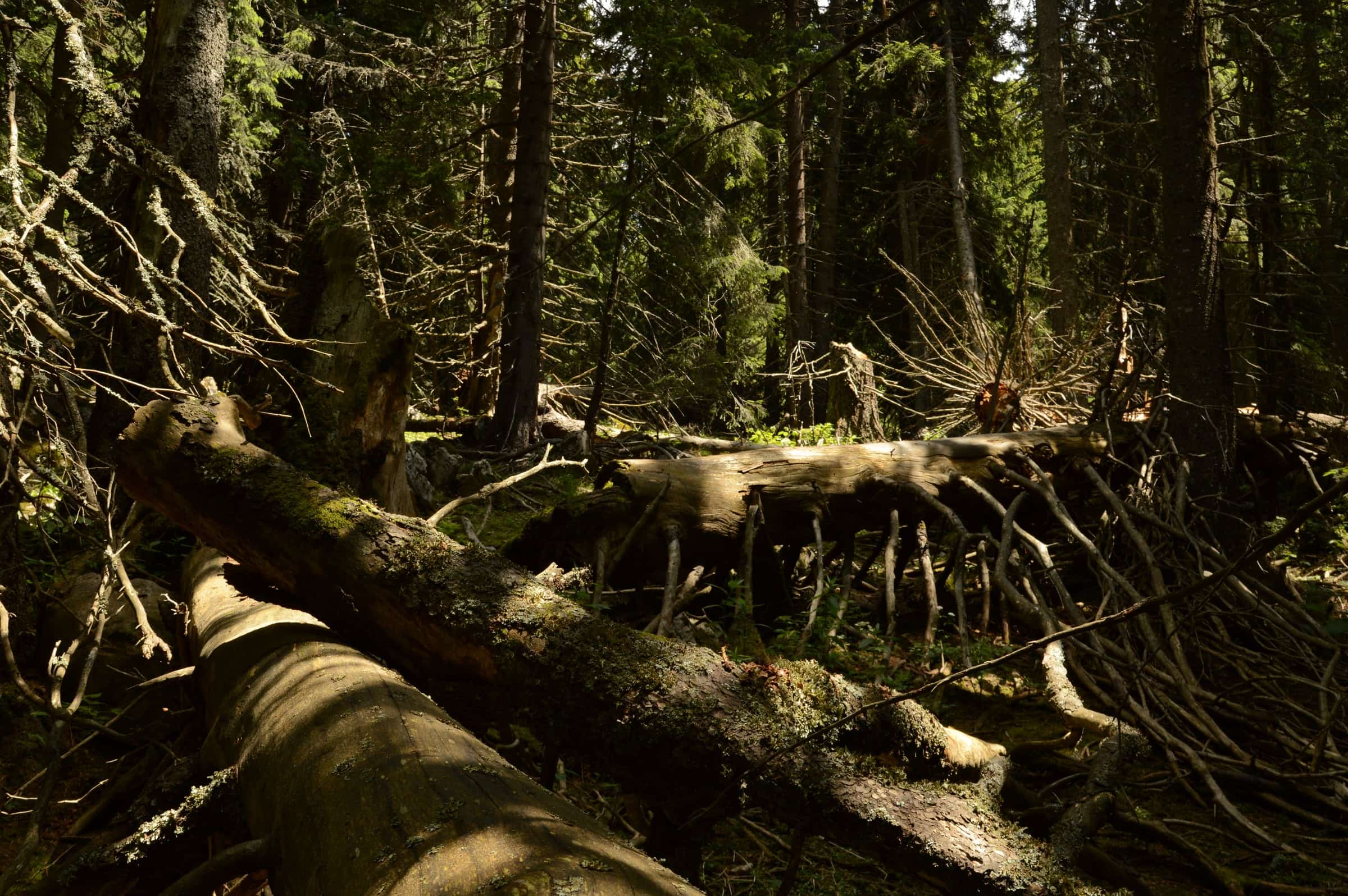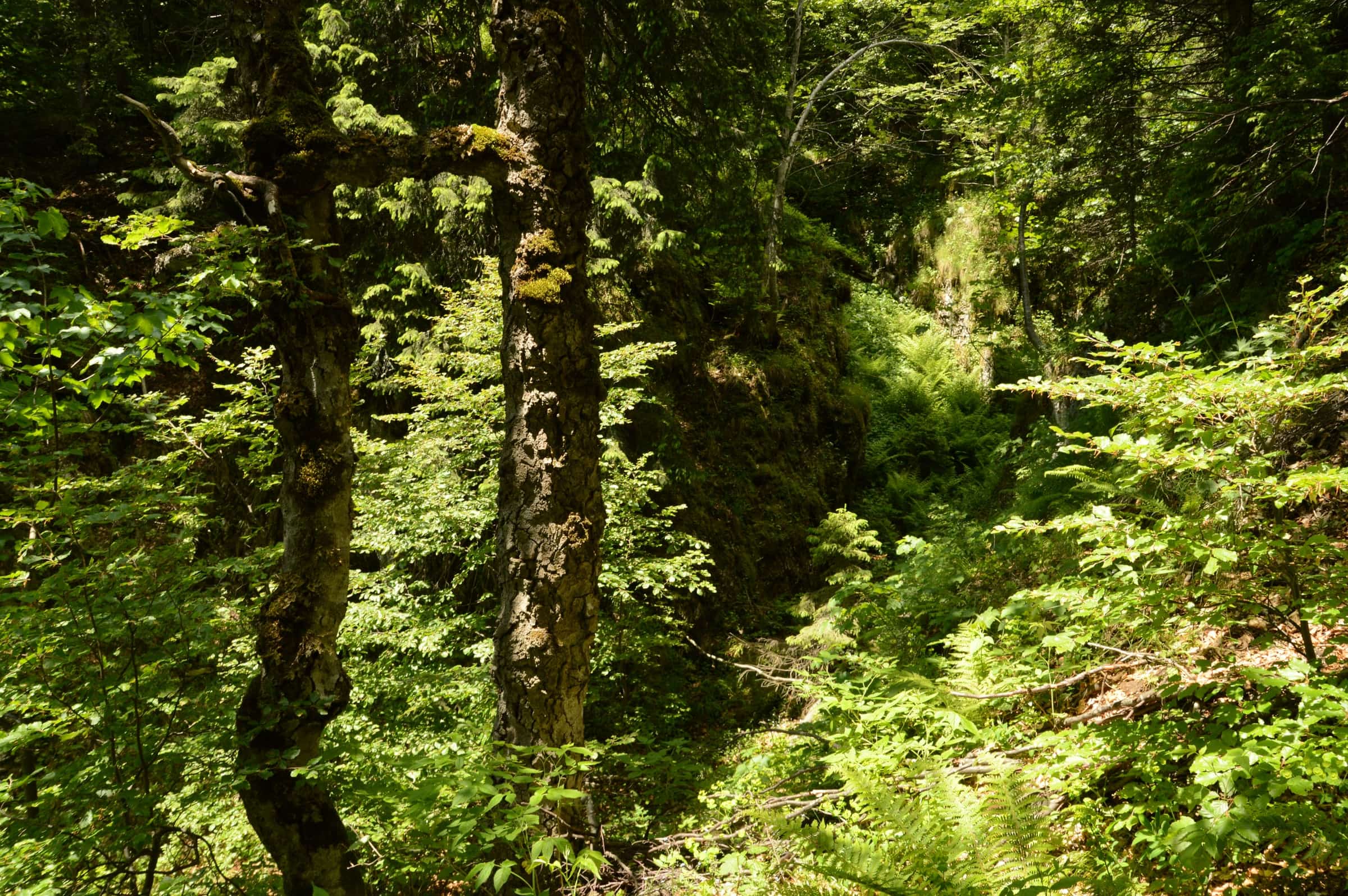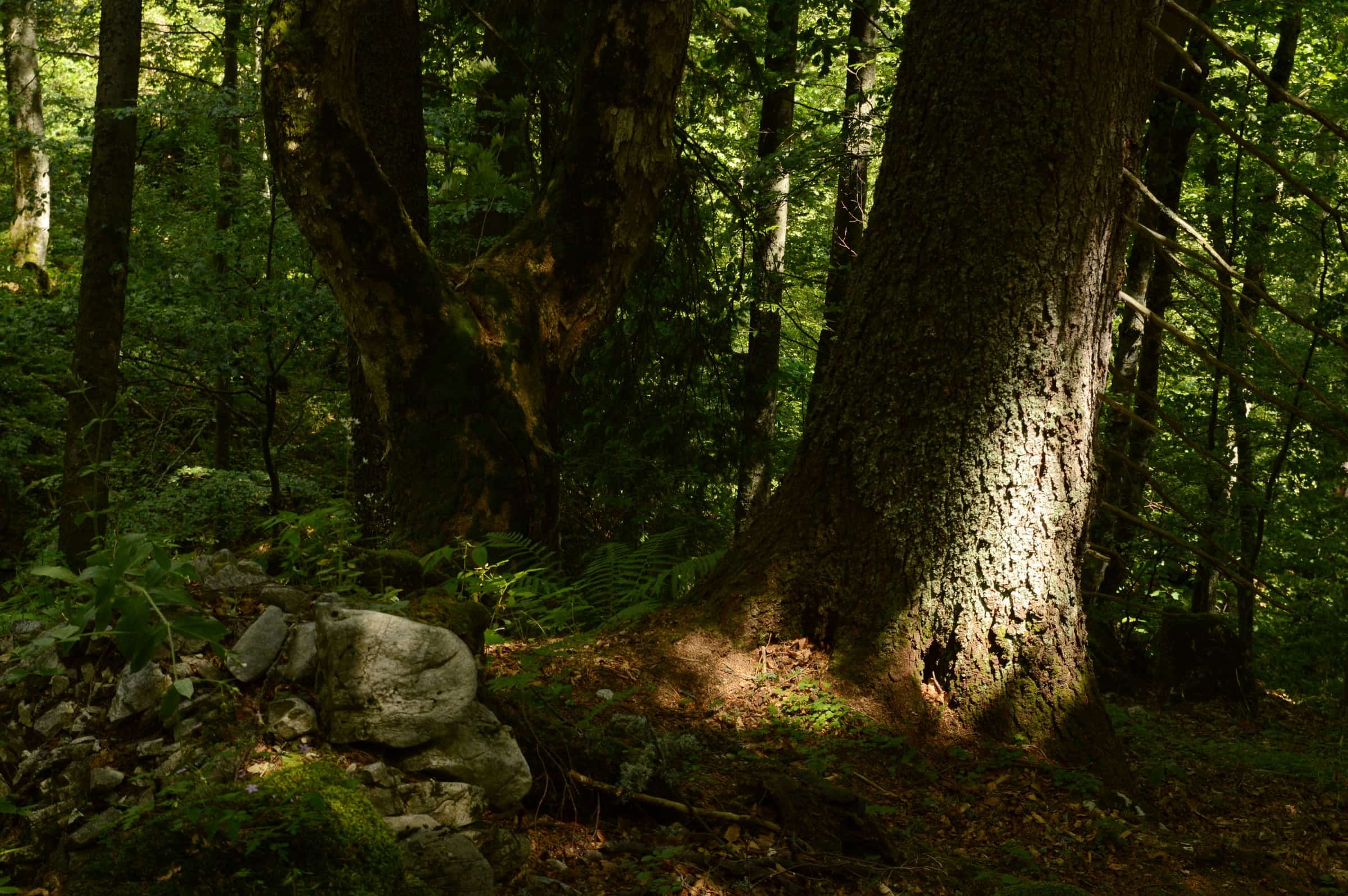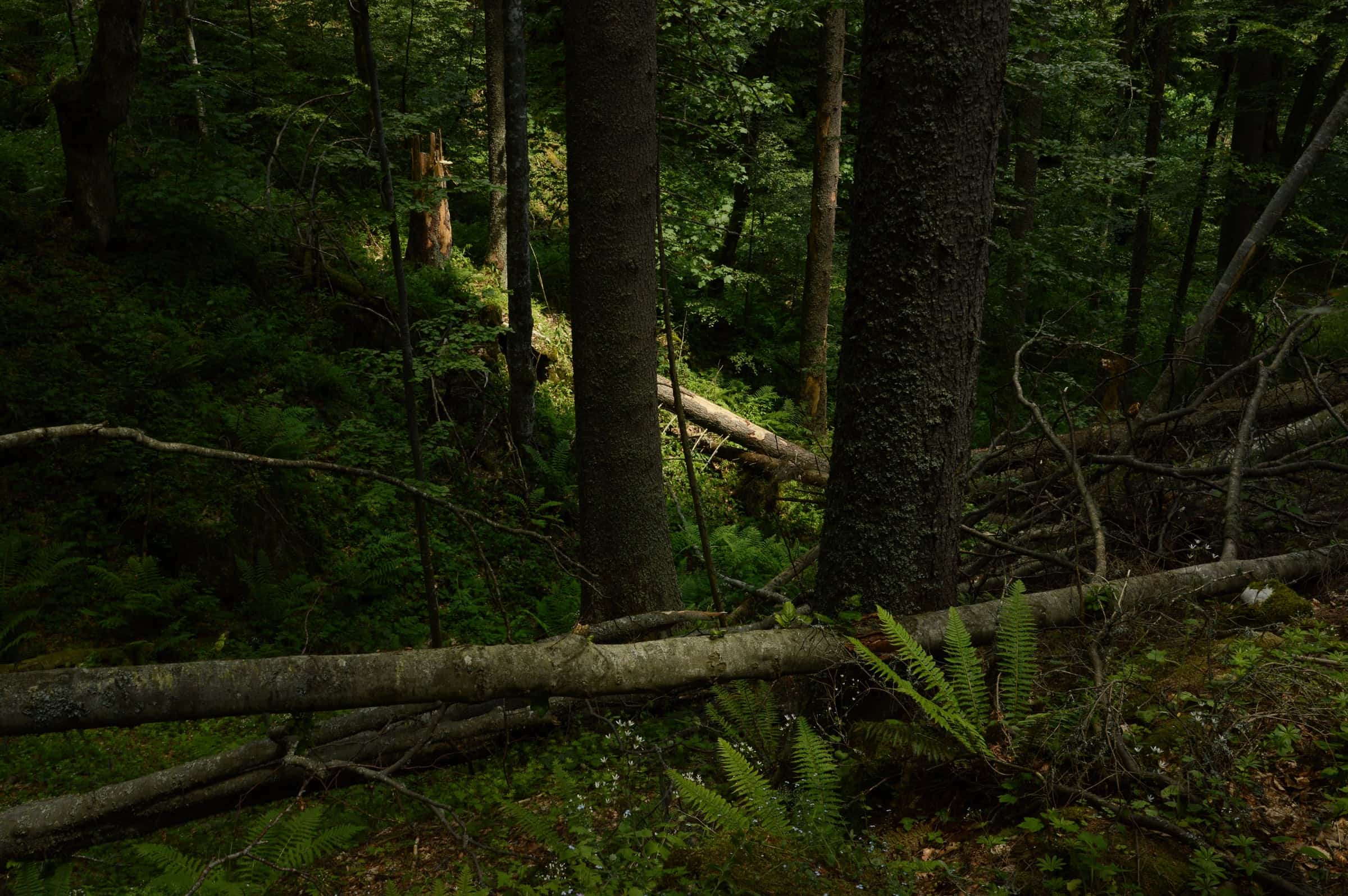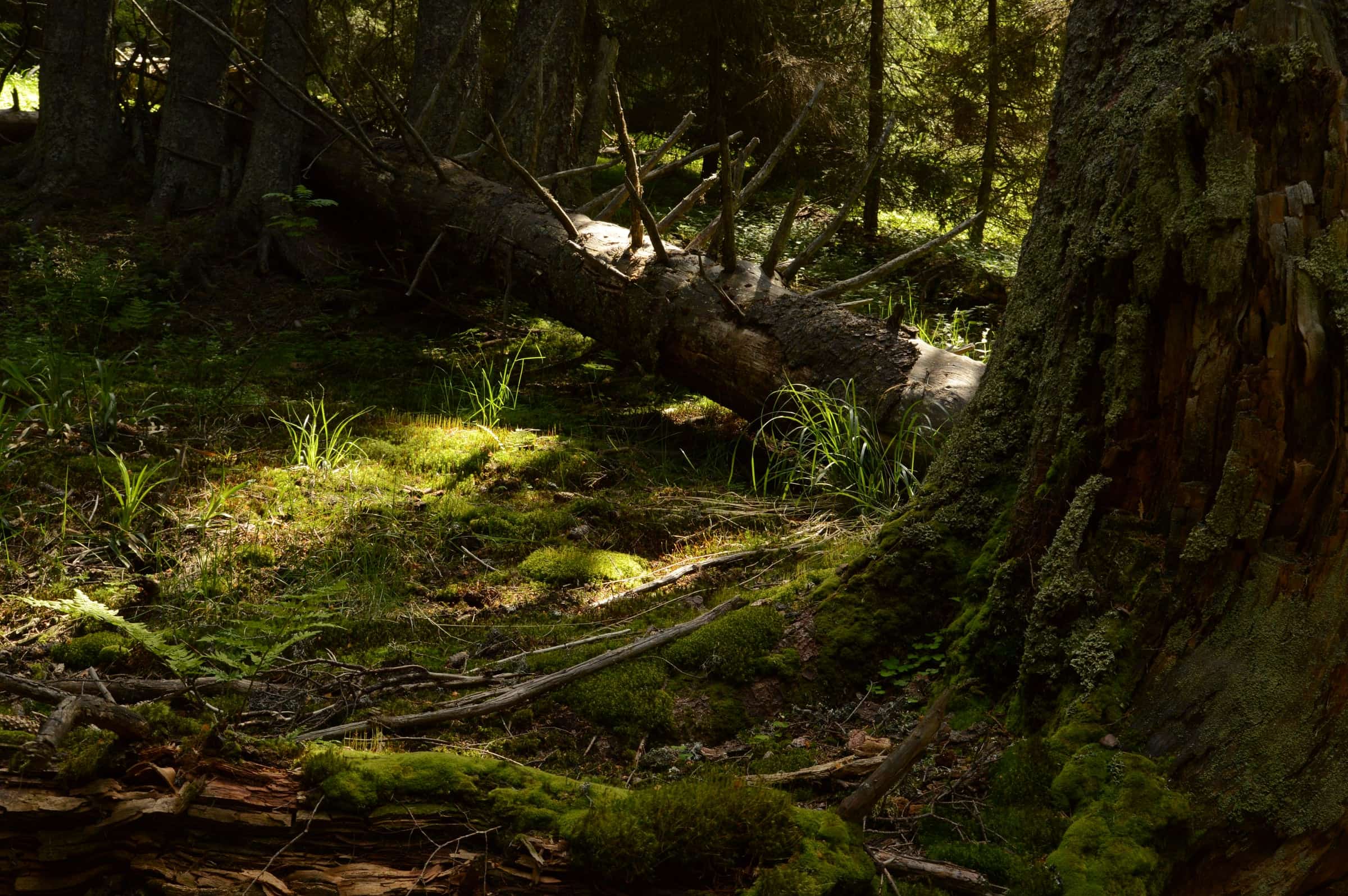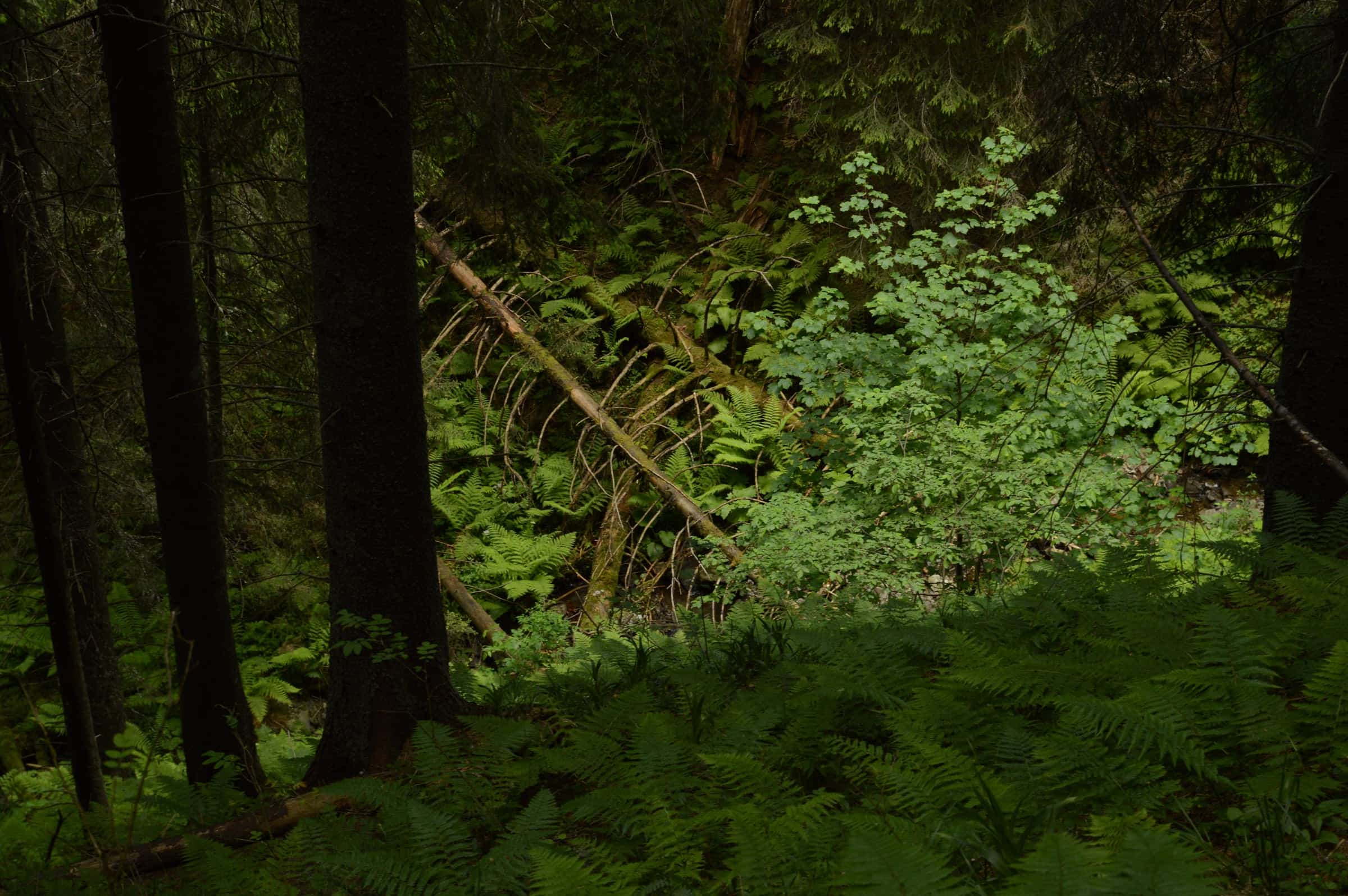
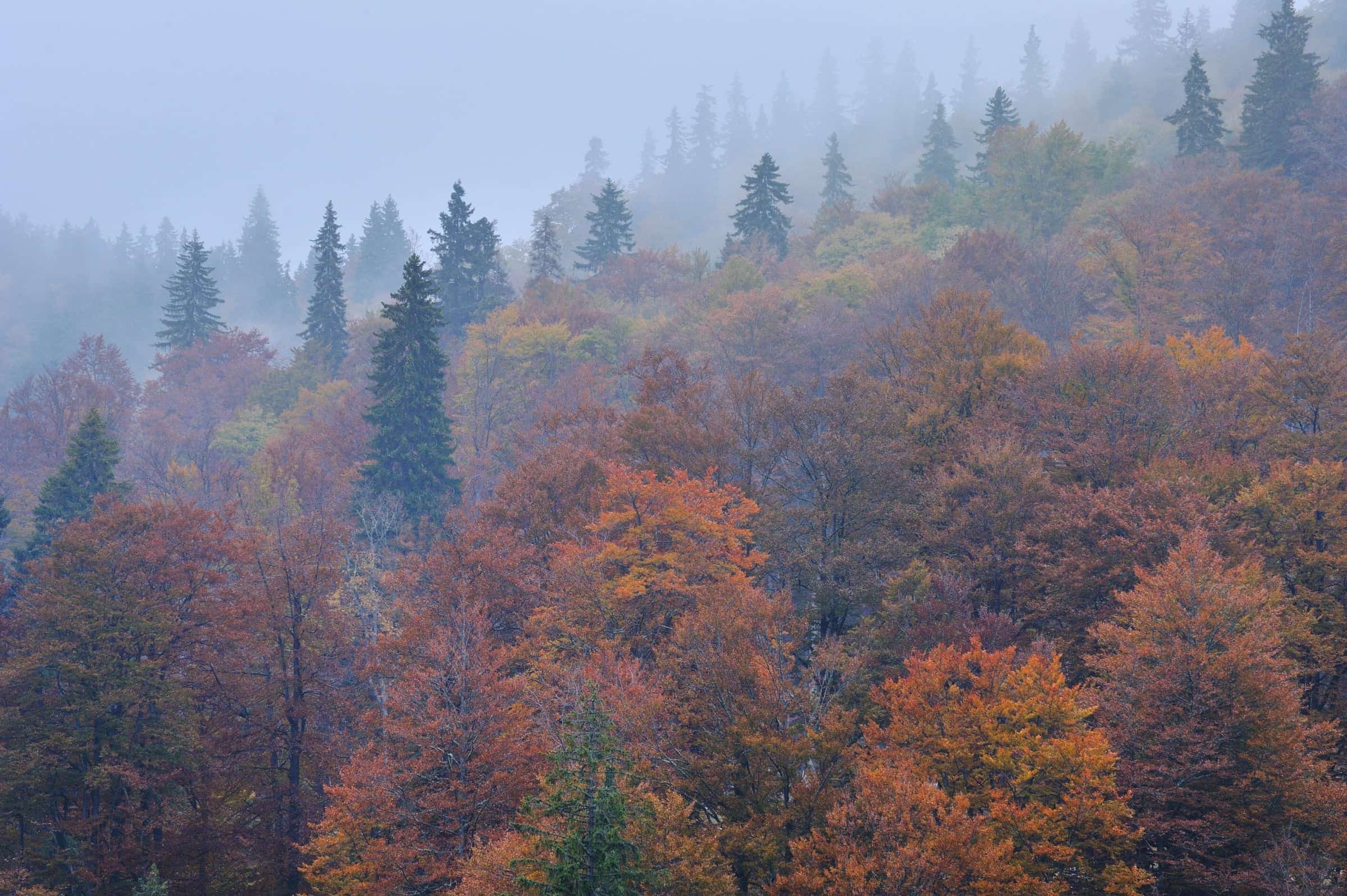

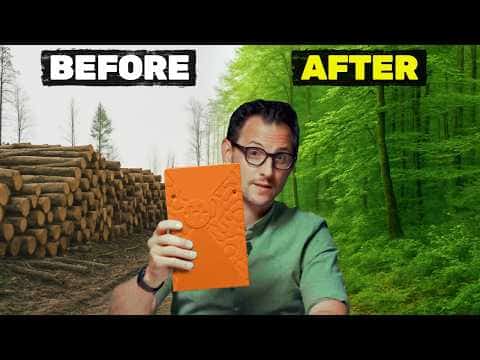
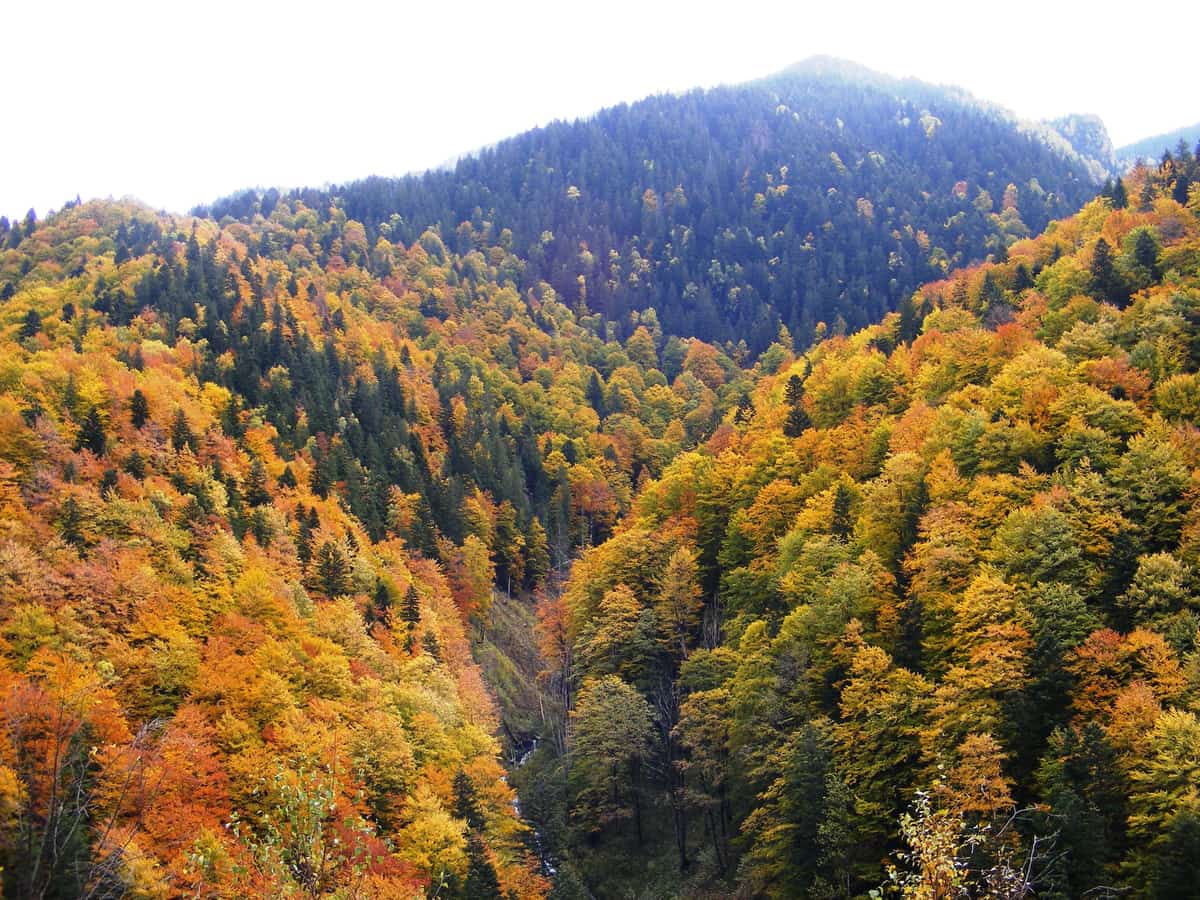
A place that shouldn’t exist.
And yet it does. Still.
Where Câmpușel sits
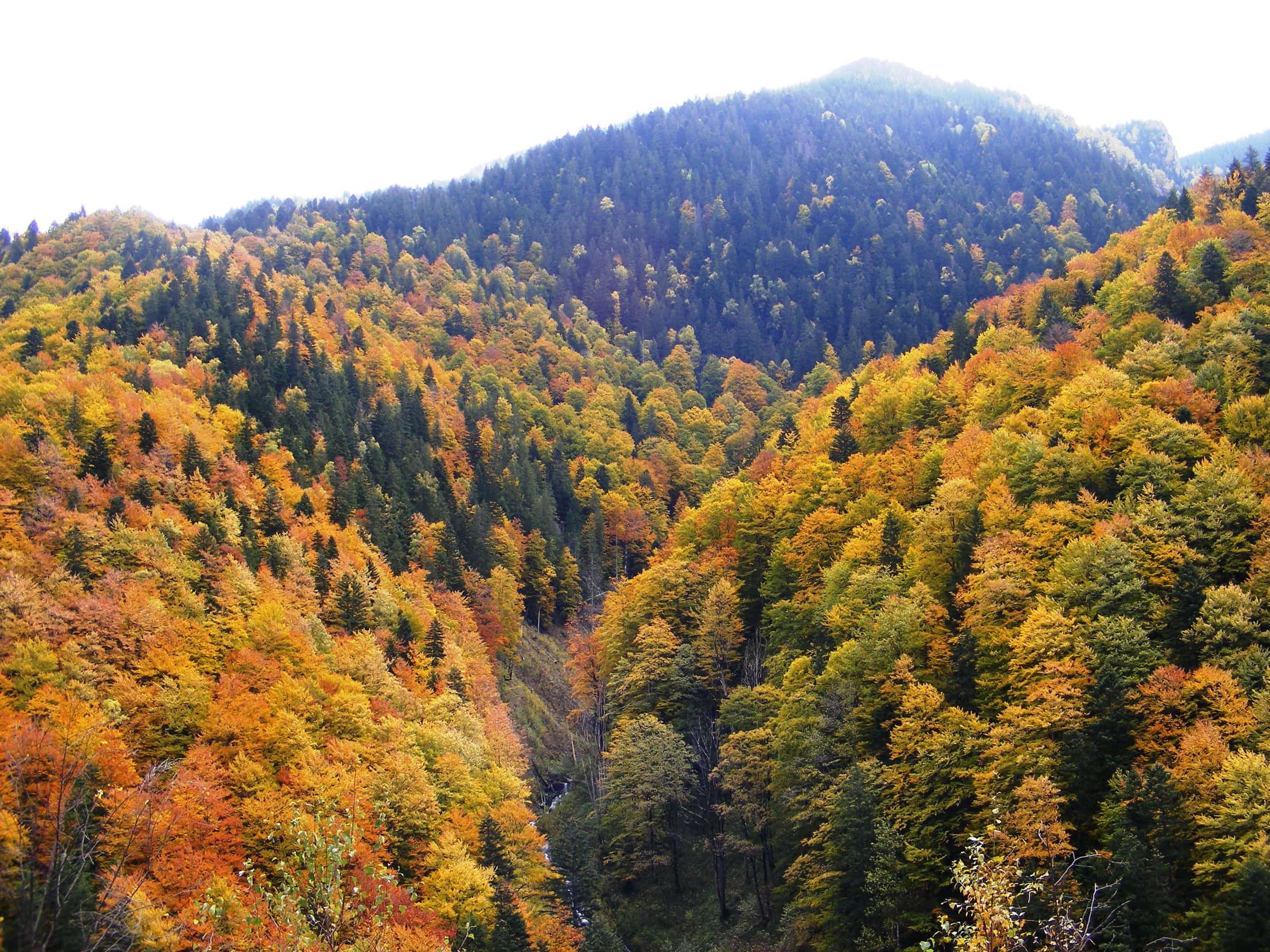
Between Retezat National Park and Domogled–Valea Cernei National Park lies a territory unlike any other in Europe. It is not isolated. It is at the heart of the last intact forest landscape in temperate Europe — the Retezat–Godeanu–Țarcu mountains. A corner of the continent with biological and geological diversity that has no equal in Europe.
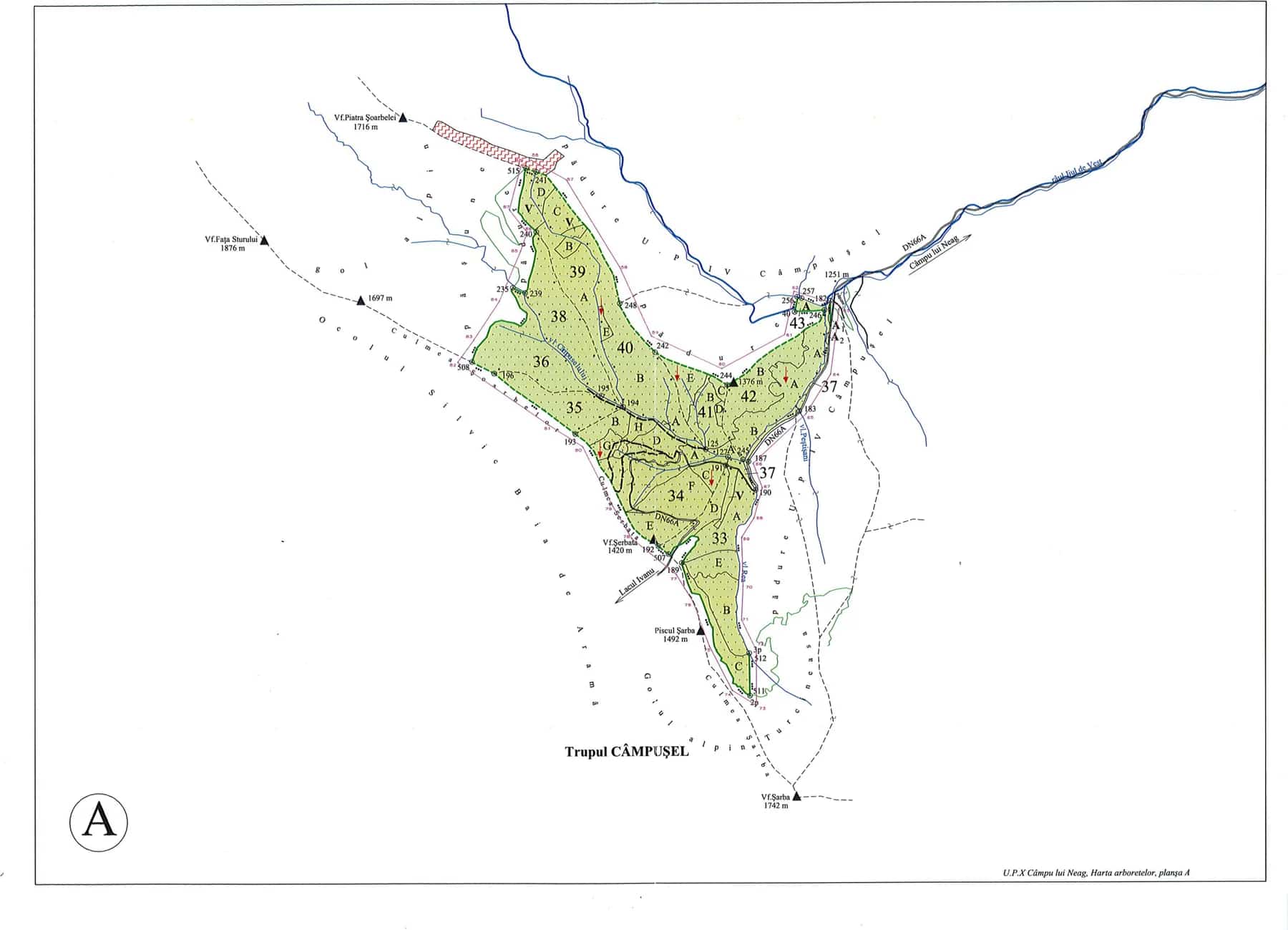
The territory includes
- National ParkRetezat
- National ParkDomogled–Valea Cernei
- Natura 2000 siteMunții Țarcu
- Natura 2000 siteNorthern Western Gorj
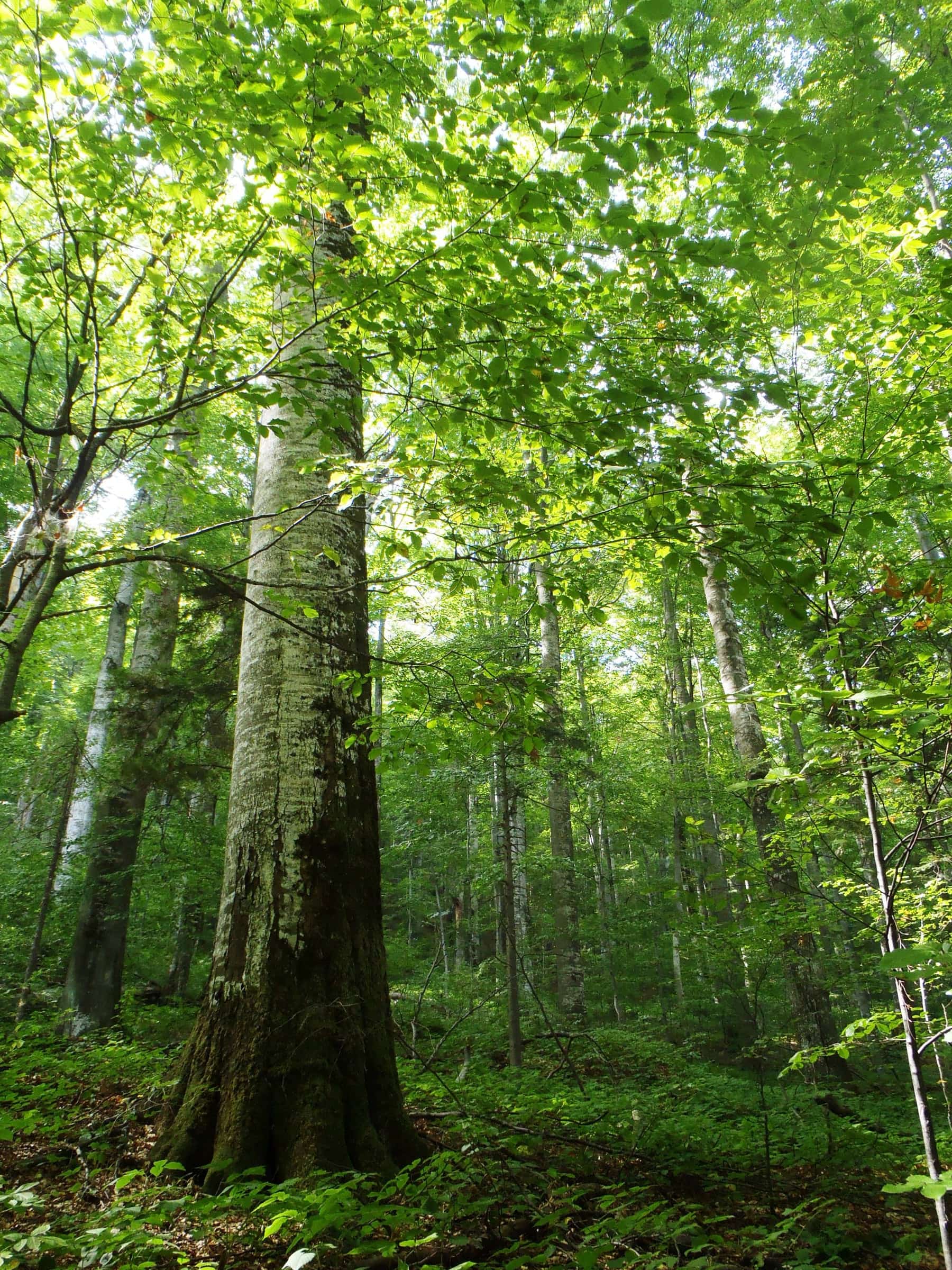
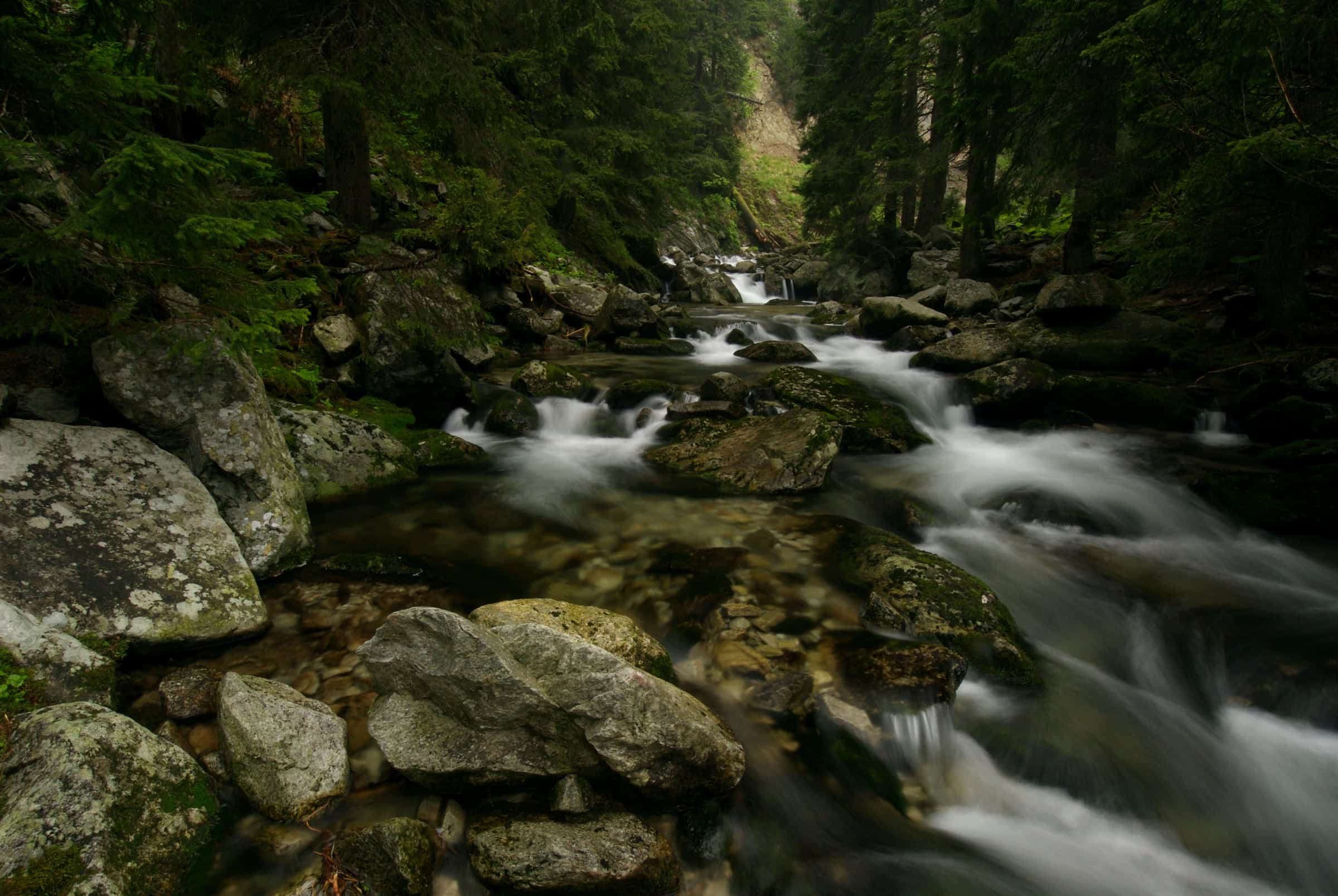
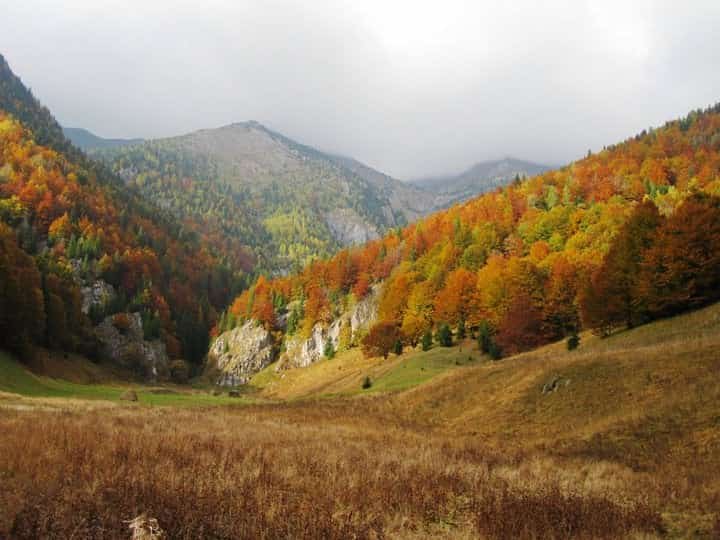
Câmpușel Forest sits right inside this core. On the border between Retezat National Park and Domogled–Valea Cernei National Park, within the Northern Western Gorj Natura 2000 site. Between the Iorgovanu and Oslea peaks, along the upper Western Jiu valley, up to the Jiu–Cerna Pass.
It is not just a forest. It is one piece of a larger system that still works as a whole.
A living system, at full scale
In this region, biodiversity isn’t an exception. It’s the rule.
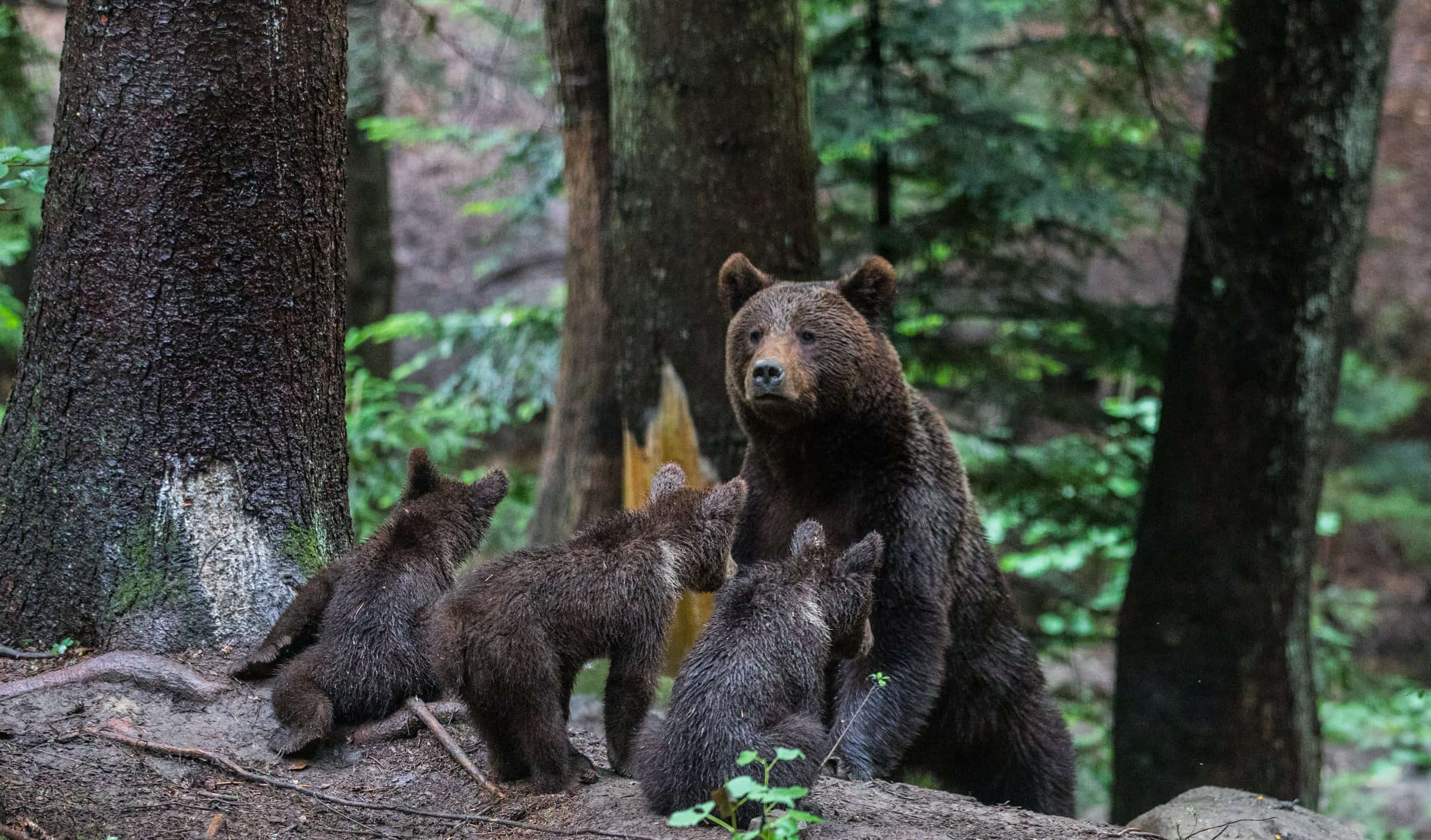
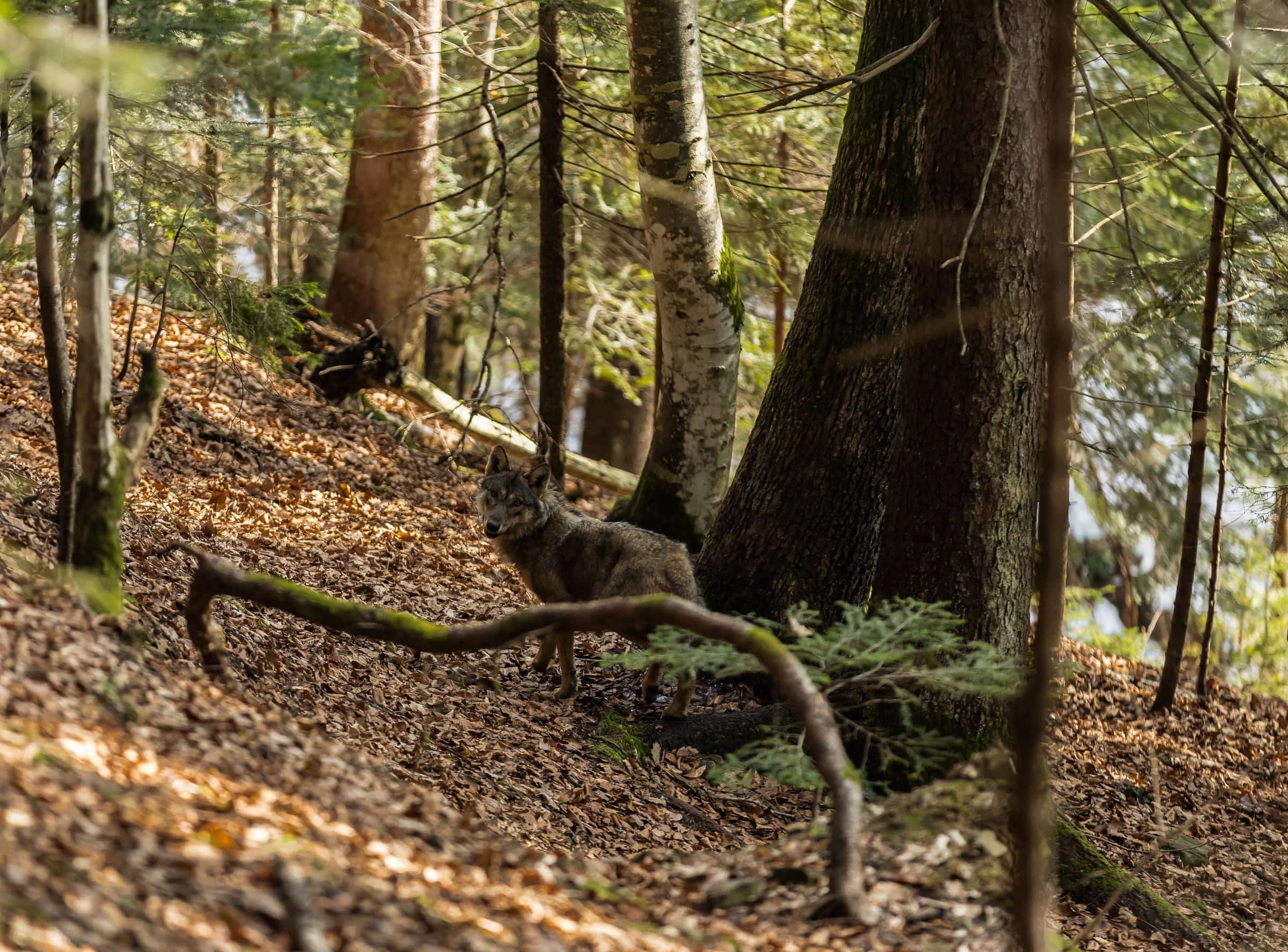
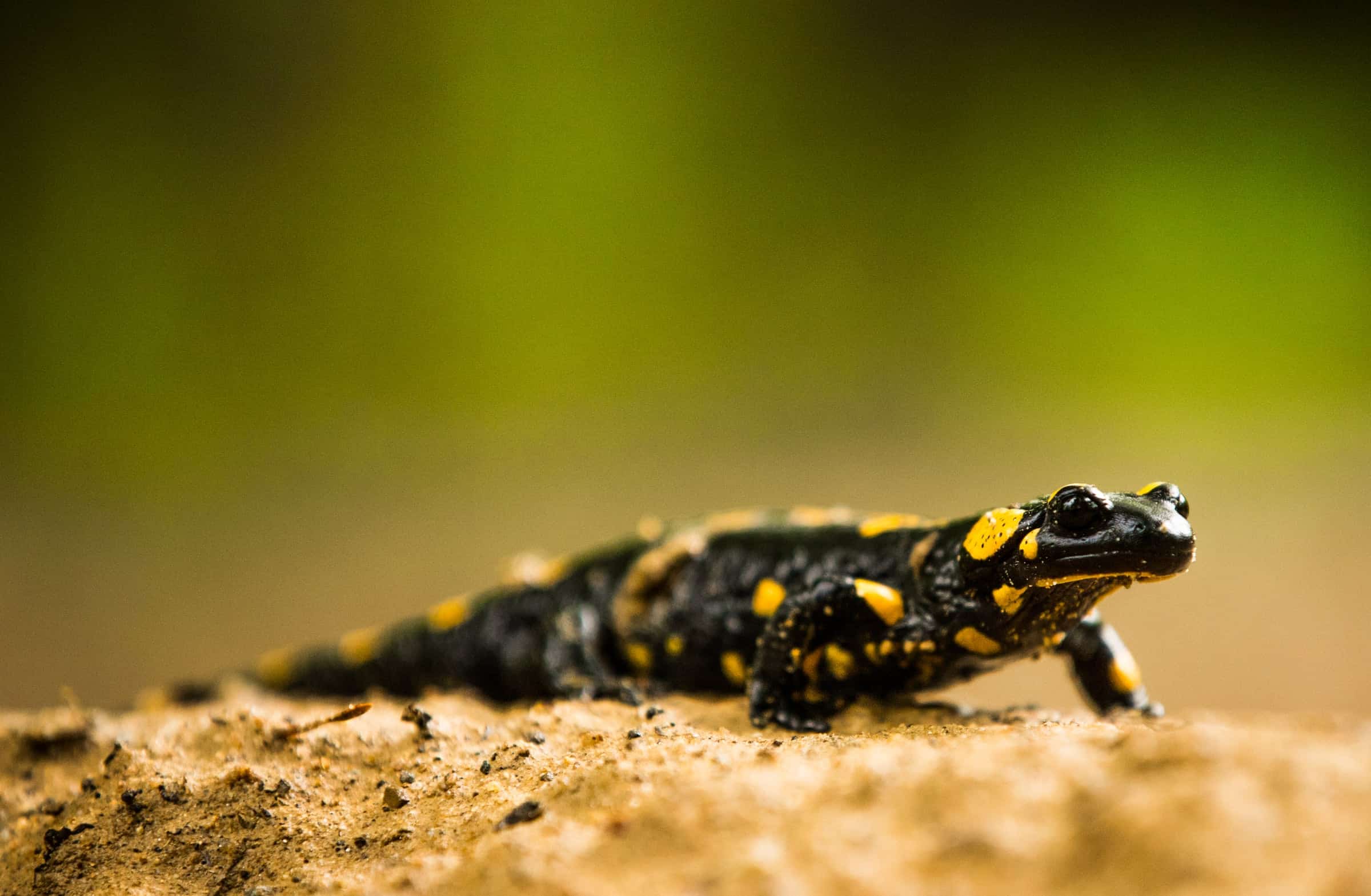
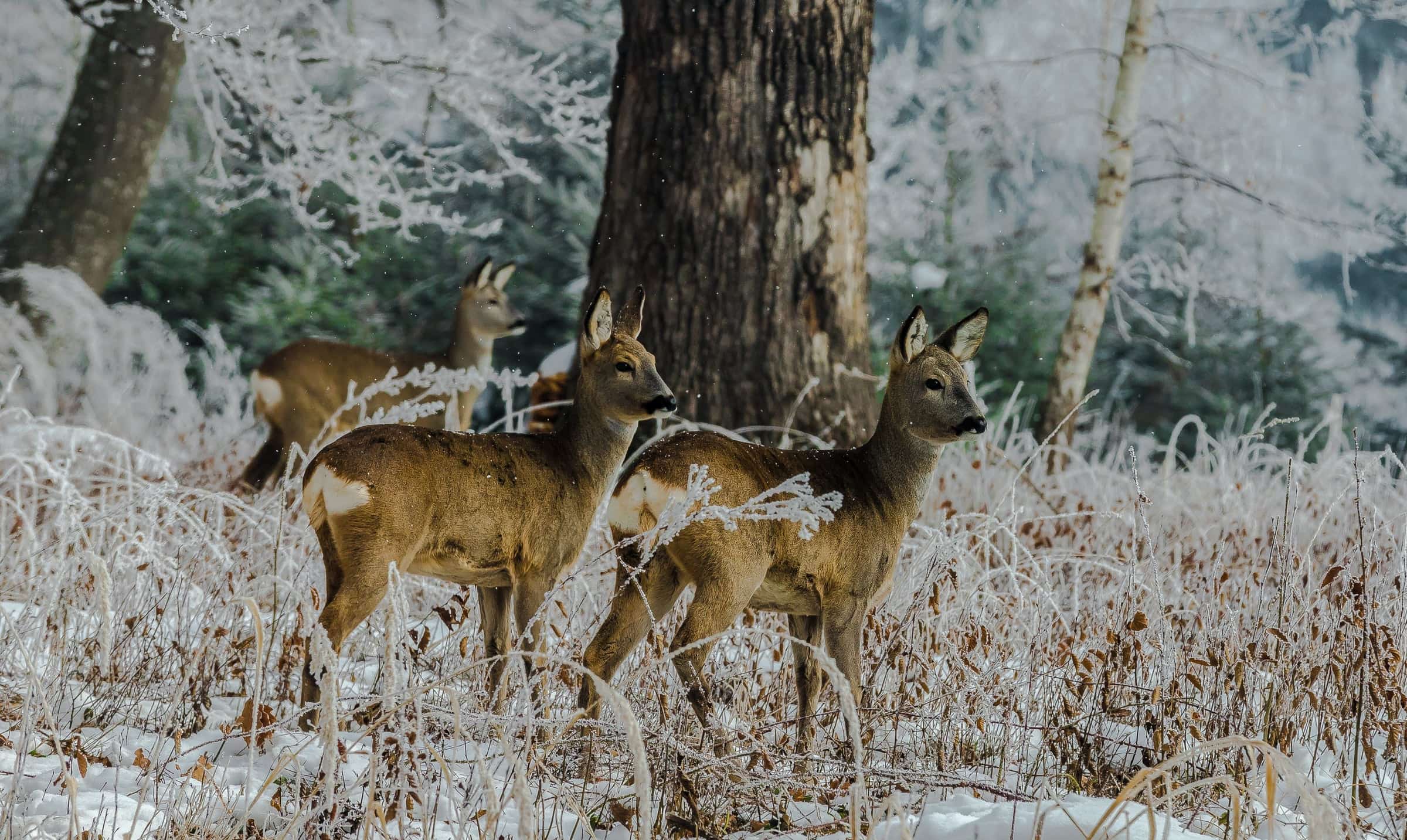
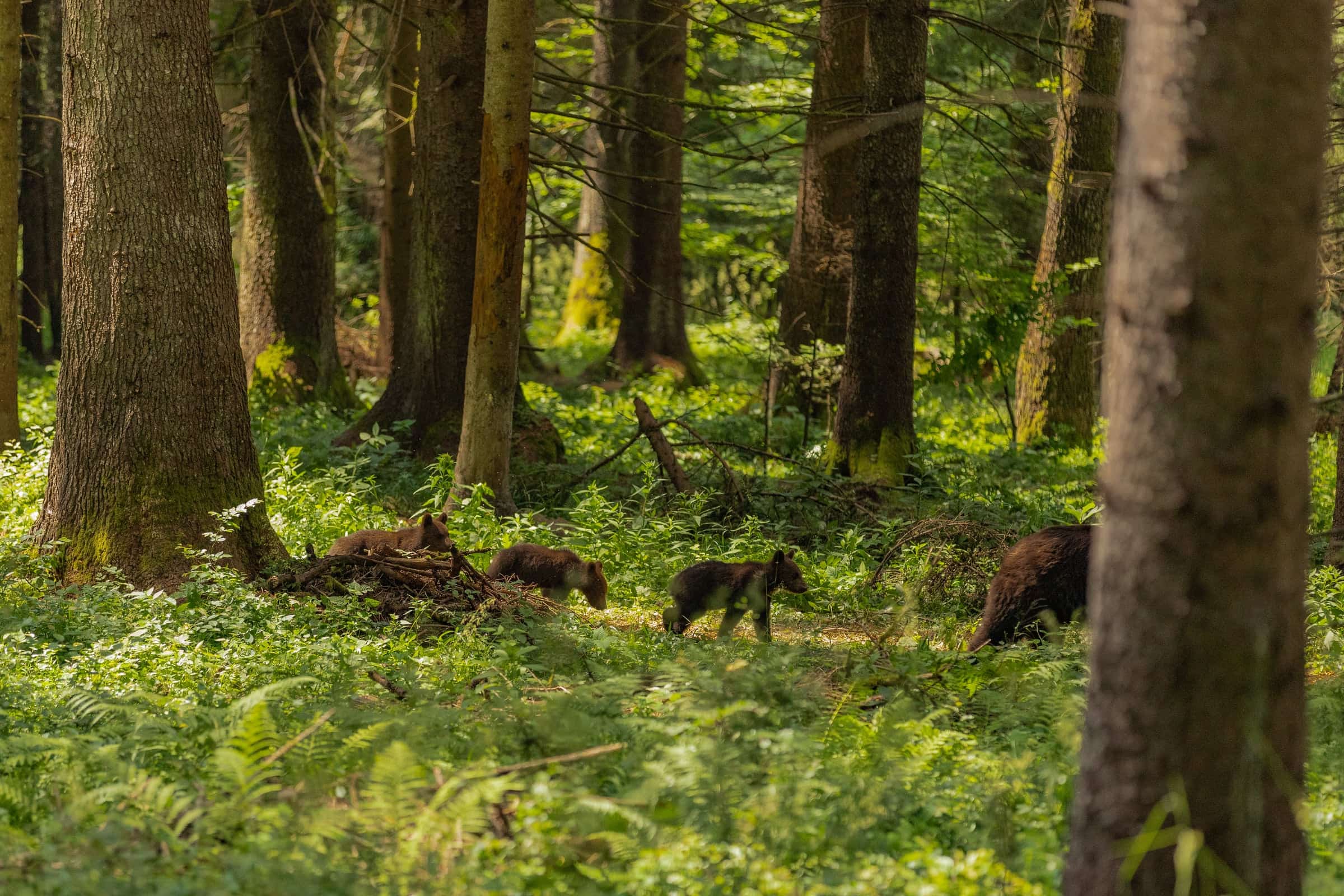
At least 1,190 plant species, more than 100 bird species, 55 mammal species (in 2010 every bat species of Romania was identified here — plus 2 species not previously observed on national territory), 8 fish species, 5 reptiles, 7 amphibians, and over 1,100 butterfly species.
This means more than numbers. It means a fully functional ecosystem — with apex predators, intact trophic chains, living soil, and uninterrupted natural processes.
Why position matters
Câmpușel matters not only for what it contains. It matters because it connects.
It is safe ground for many species — but also a key ecological corridor between major ecosystems. A place of continuity. If this point is fragmented, what’s lost isn’t just a stretch of forest. The whole system weakens.
It was almost lost
A road — the DN66A — was set to cross this area. Not just touch it. Fragment it completely.
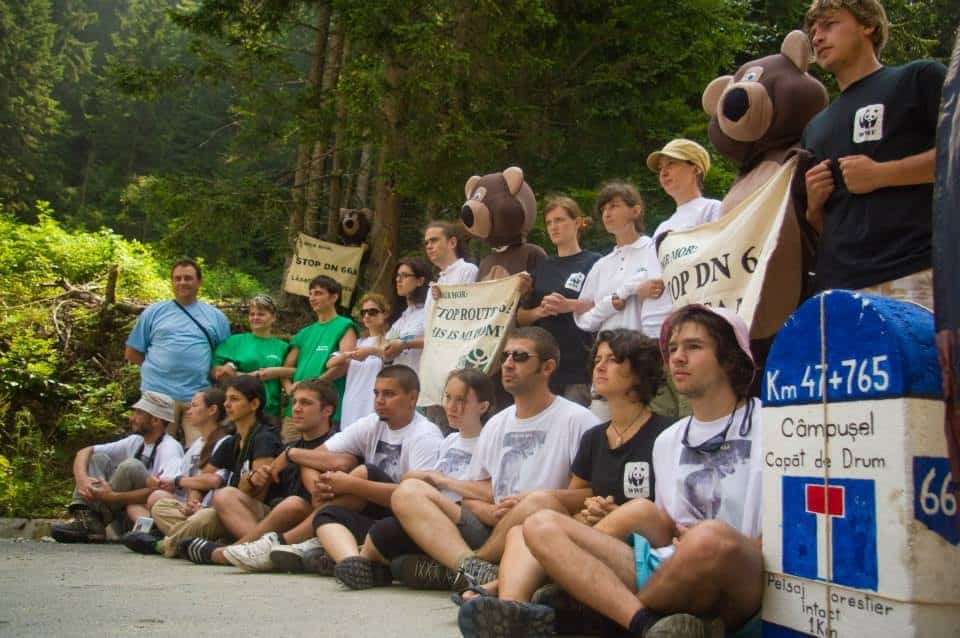
For years, the fight happened here: documentation, scientific studies, protests, public pressure, litigation. The conclusion was clear: fragmentation would have damaged habitats and irreparably destabilized the ecosystem.
For a time, it was stopped. But places like this remain vulnerable forever.
From fight to solution
Câmpușel is one of the places that changed the direction. Here it became clear that protection without direct control is fragile.
Where things stand today
We can become the owners of Câmpușel Forest. On 8 May 2026, we signed a 5-year usufruct agreement. That means we administer it, protect it, monitor it.
If we keep it intact through this period, on 8 May 2031 it can become definitively protected. The agreement signed with the Pădurea de Mâine Foundation provides for ownership transfer to Forever Forest.
5 years. One chance.
These 5 years are decisive. Not for a project. For the continuity of a living system. During this period we provide guarding and monitoring, prevent destructive interventions, and maintain the natural functioning of the forest.
How we intervene
We don’t change the forest. We let it run at its own rhythm. Nothing will be cut.
Only protection, presence, and continuity.
We use the most modern technology to detect cutters, hunters, and other disruptors. We receive real-time alerts and activate the control authorities: police, gendarmes, forestry guard, environmental guard, rangers, and the forestry inspectors with whom we have a mandatory administration contract.
But this technology doesn’t only secure protection. It helps us identify the forest’s inhabitants. We monitor biodiversity with installations we began testing as a Romanian first in 2017 at Zabala, in Covasna.
An open place
Câmpușel Forest stays accessible. It can be seen. It can be walked through with an open heart and an open mind. It can be understood. But only in a way that respects the life already there.
See how to visit this forest: As a guest →
Why it matters
Because places like this barely exist anymore. Because what is lost here cannot be rebuilt.
Because forests like this:
- regulate climate
- support biodiversity at large scale
- maintain natural balance
- protect infrastructure from extreme weather
- give us air and water
How you can help
Câmpușel is not a concept. It is a real forest. With a future still open.
Support the protection of this forest. Be part of the 5 decisive years. If we succeed together, this forest can never be cut again.