The Forever Forest Model

How to care for a forest without destroying it.

Two directions, one purpose: living, whole, functioning forests — today and a hundred years from now.

Introductory filmAgent Green / Forever Forest

A quick view of the principle: we strictly protect intact forests and care for affected forests so they can become living systems again.

To cut or not to cut?

It sounds like a simple choice. In reality, it is the wrong question.

Not all forests today are natural. Some are still almost intact. Others have been affected for decades or centuries — simplified, fragmented, turned into unstable systems.

In those cases, doing nothing is not always enough. We need to help them return to balance.

Two directions

The same purpose.

At Forever Forest we work differently depending on the forest.

01

Strictly protected forests

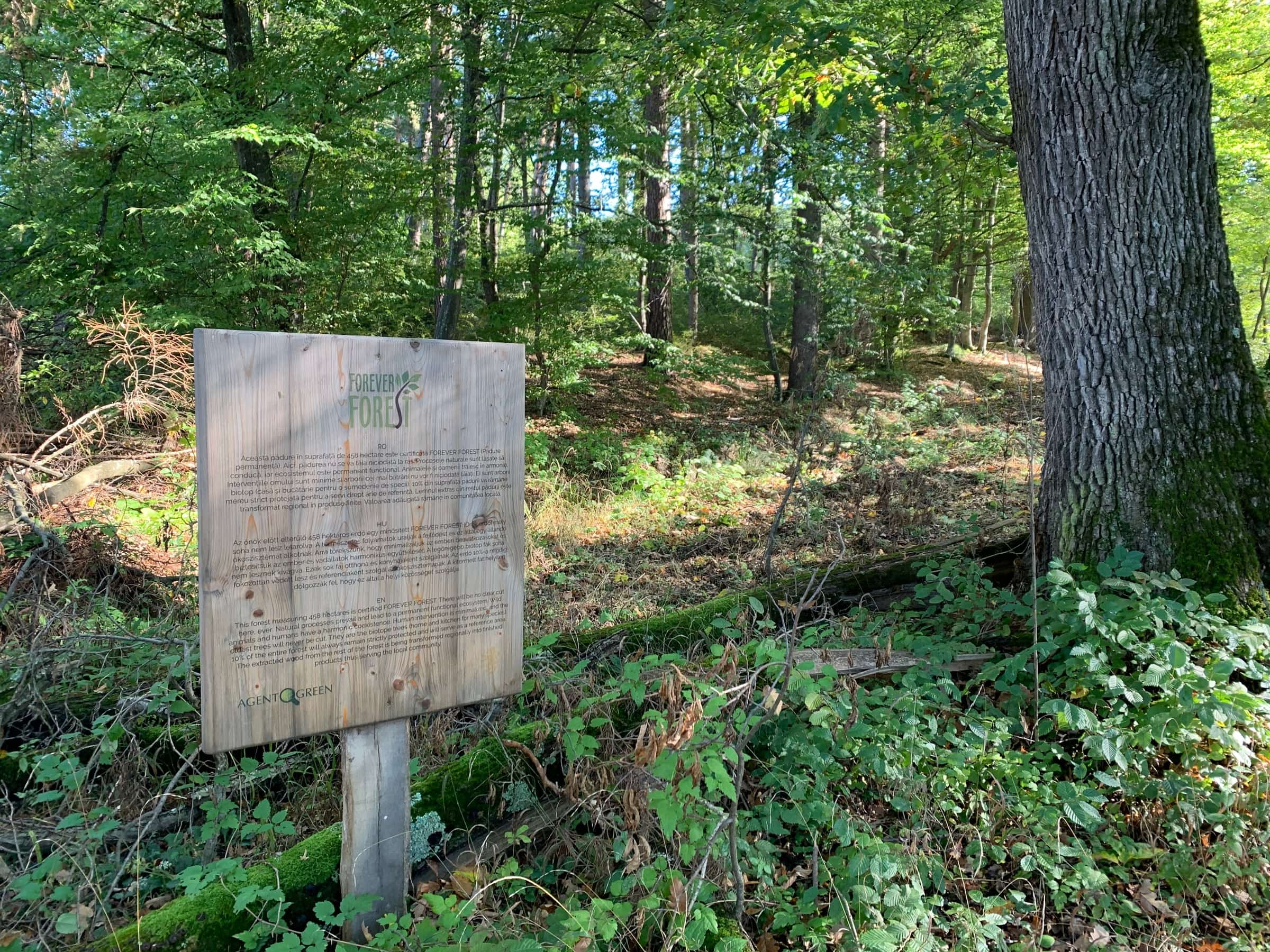
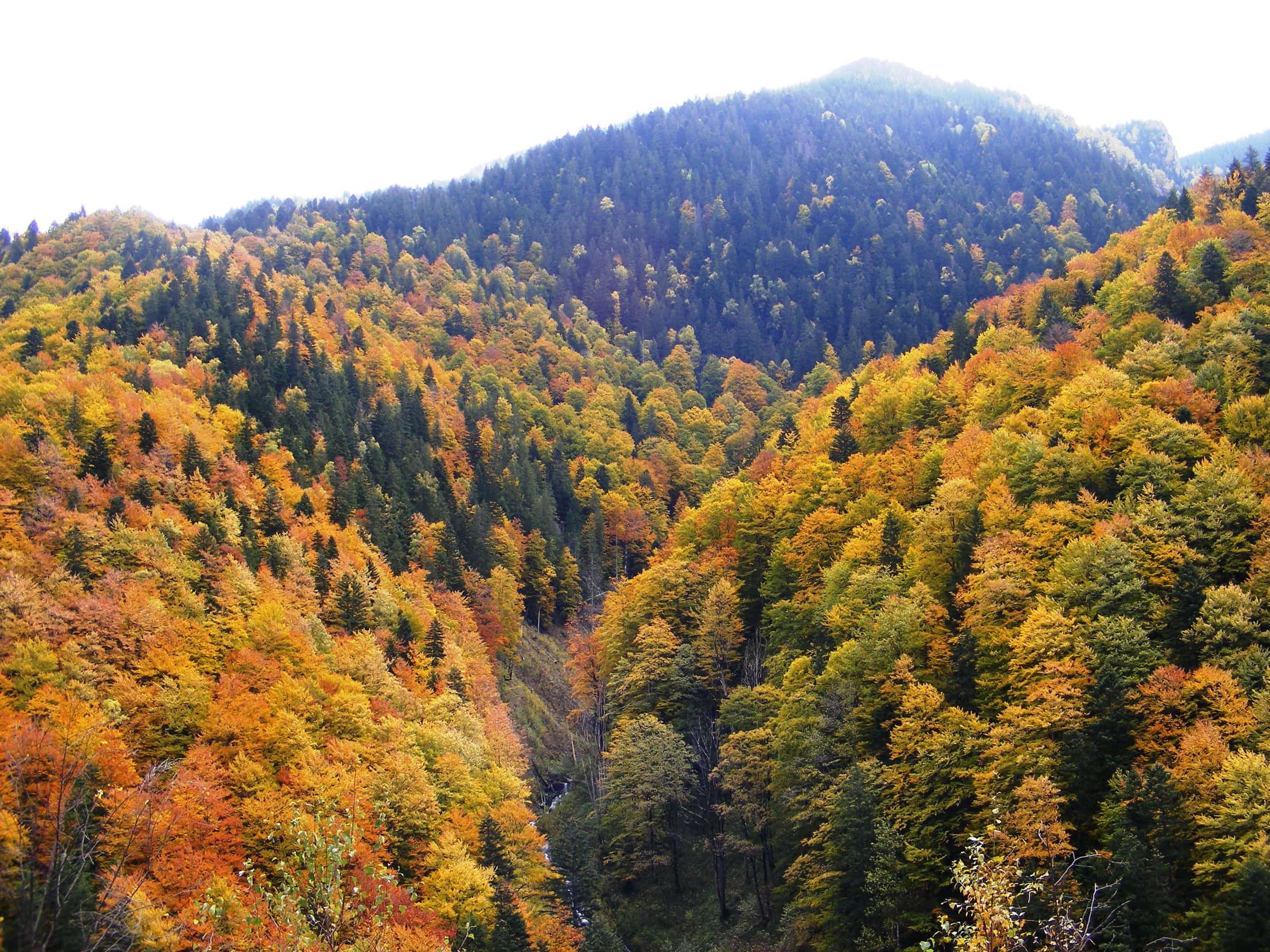
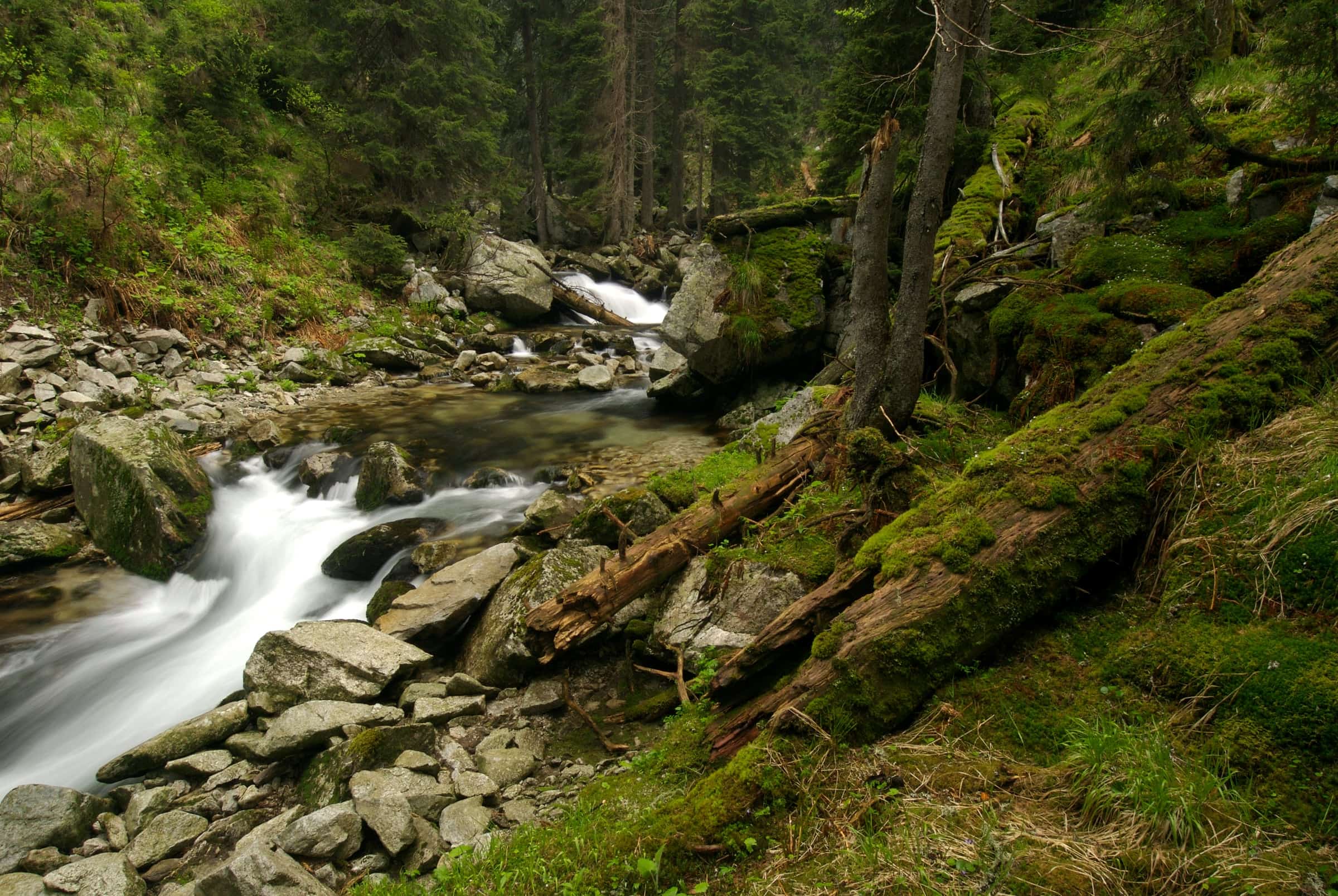
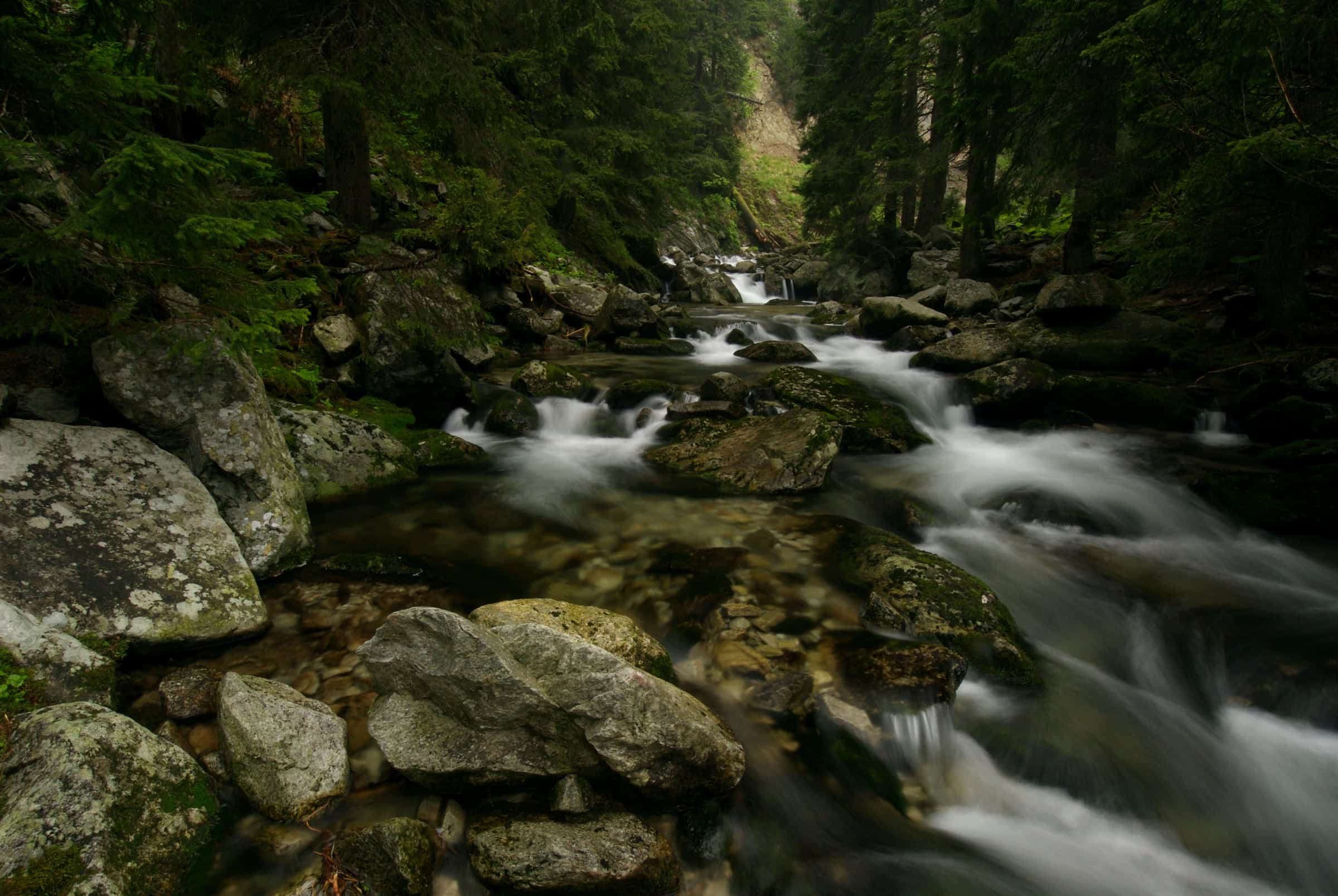
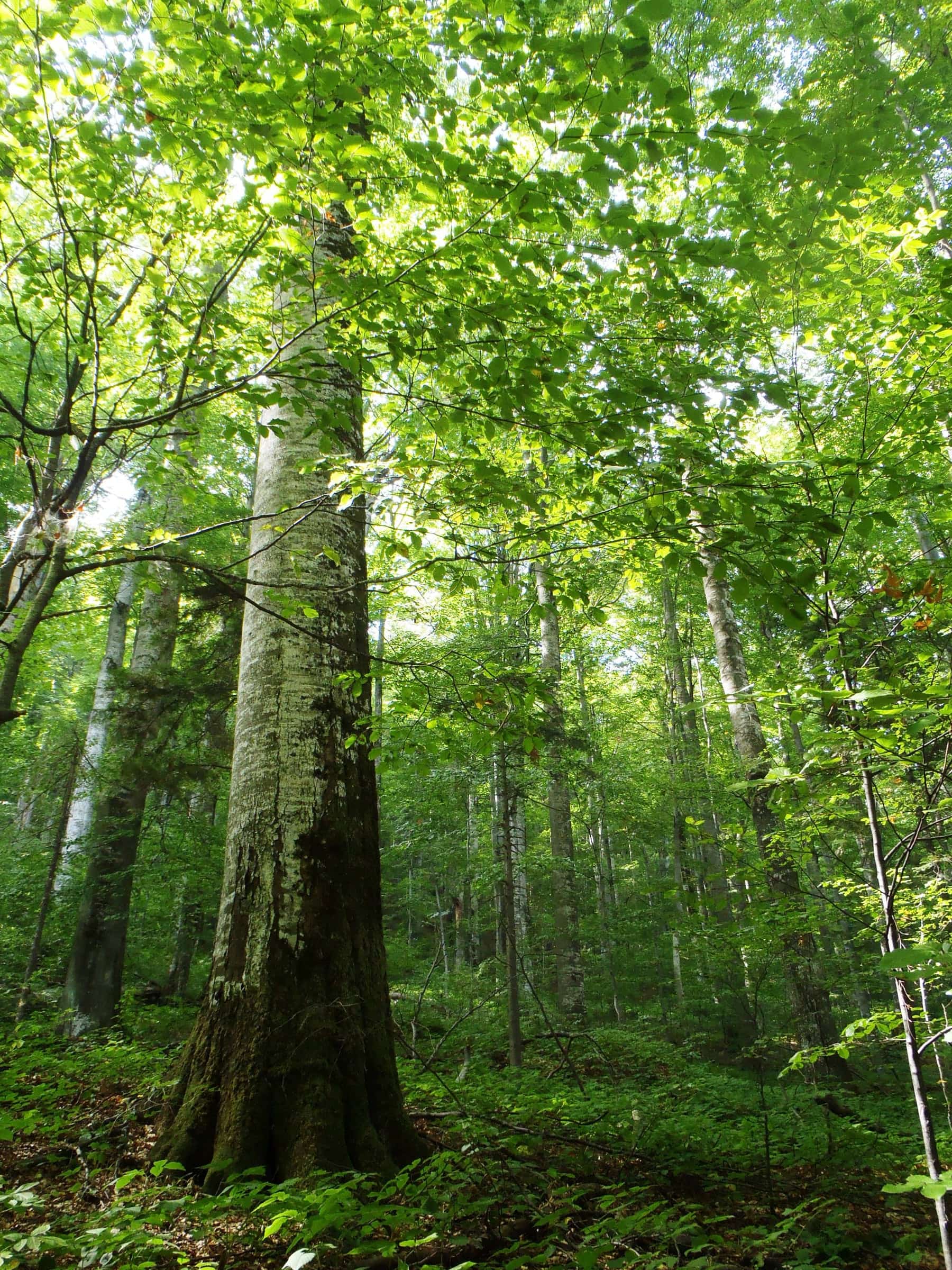
Where the ecosystem is still functional, we do not intervene at all. We let the forest evolve naturally. These areas become real references for what a healthy forest looks like.

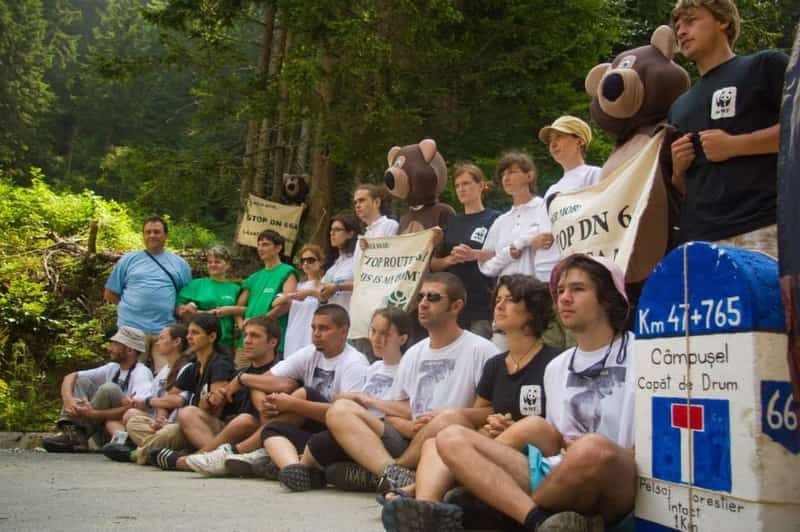
Câmpușel Forest is one such example — a place where no intervention is needed.
02

Cared-for forests — close to nature

Where balance has been affected, we intervene carefully. Not to exploit. To rebuild. To heal. To restore balance.

We work with the forest, not against it. Selectively, minimally, adapted to each place.

What intervention means

We work with the forest, not against it.

  1. 01

    Selective extraction

    Not massive. Only as much as is necessary.

  2. 02

    Continuous canopy

    We keep the upper cover of the forest intact.

  3. 03

    Natural regeneration

    We let the forest renew itself without forced planting.

  4. 04

    Diversity

    We keep species and ages varied — not monocultures.

  5. 05

    Complex structure

    We keep deadwood, living soil, and microhabitats.

The goal is not production. It is the healing and functioning of the ecosystem.

The real objective

A forest that works.

A forest that comes as close as possible to a natural forest.

  • stores as much carbon as possible
  • absorbs CO₂ and contributes to climate stability
  • produces oxygen and clean water
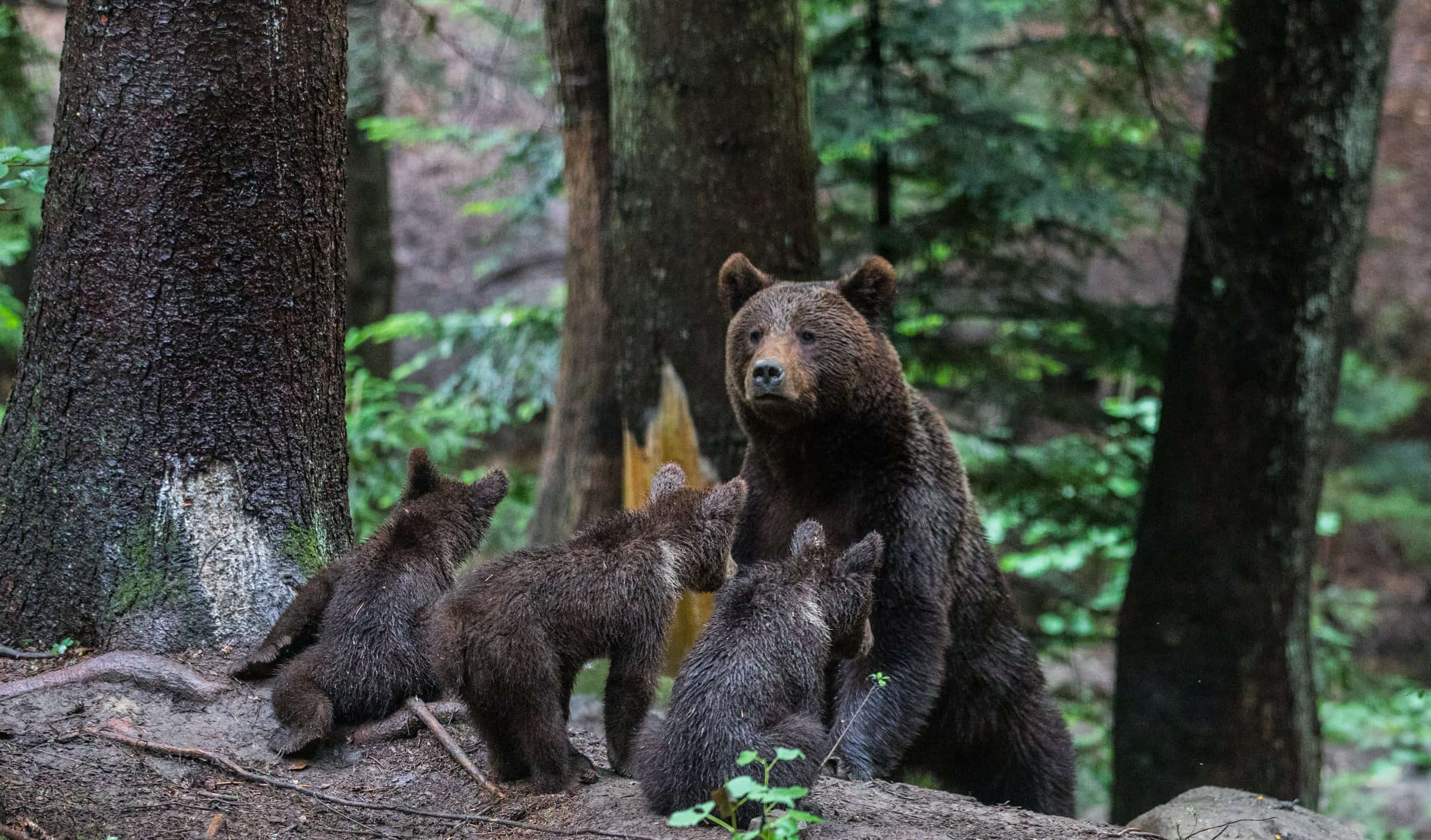
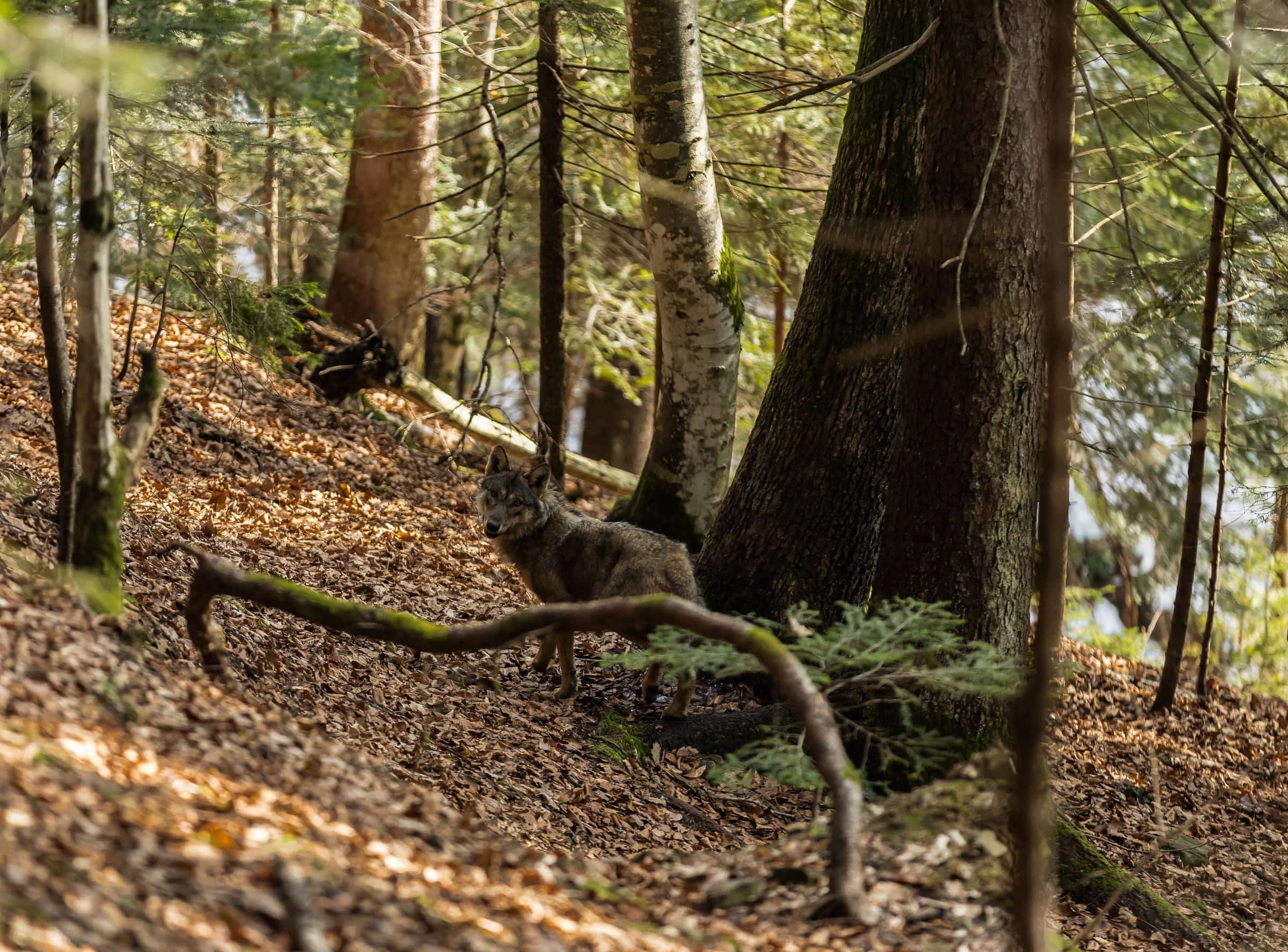
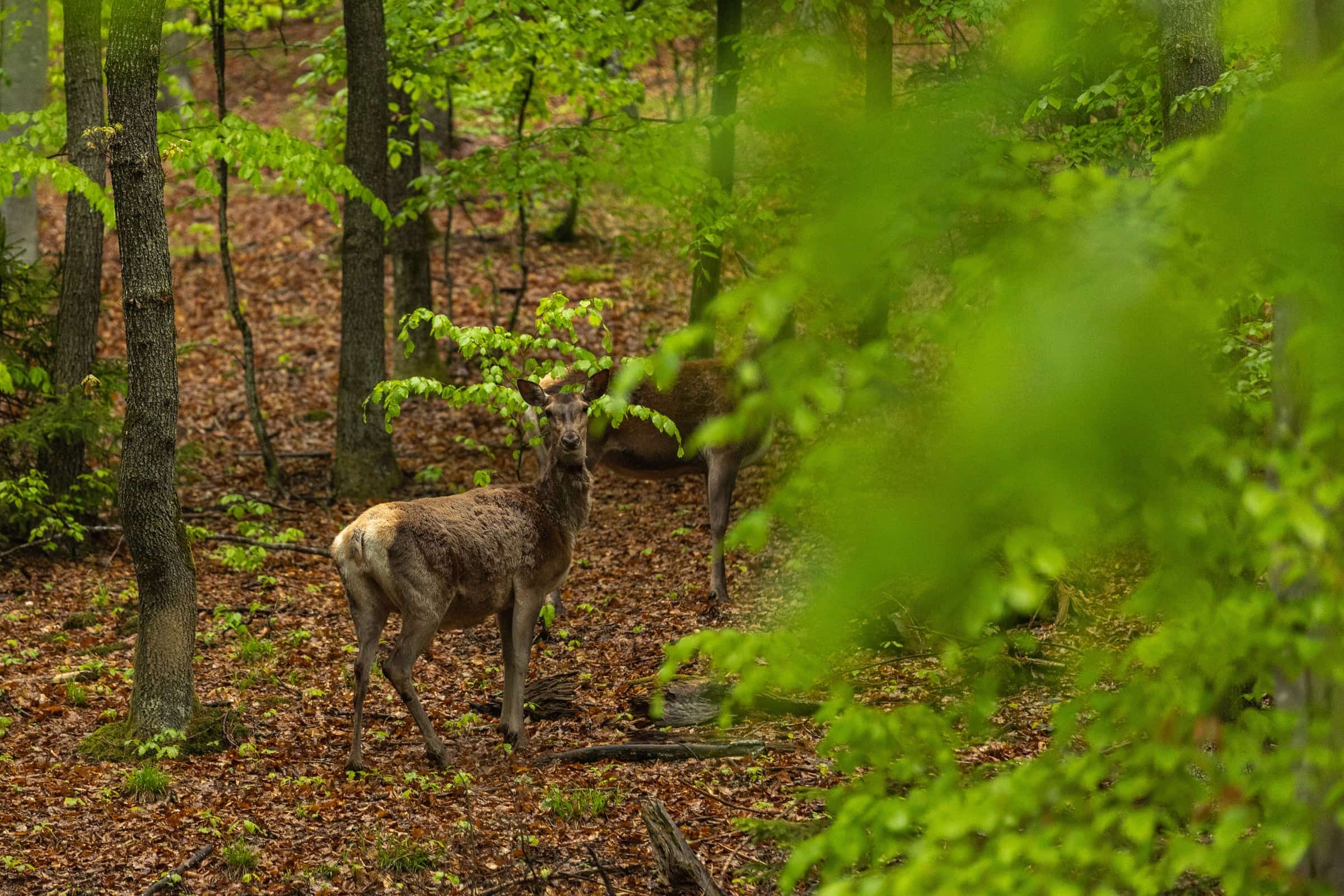
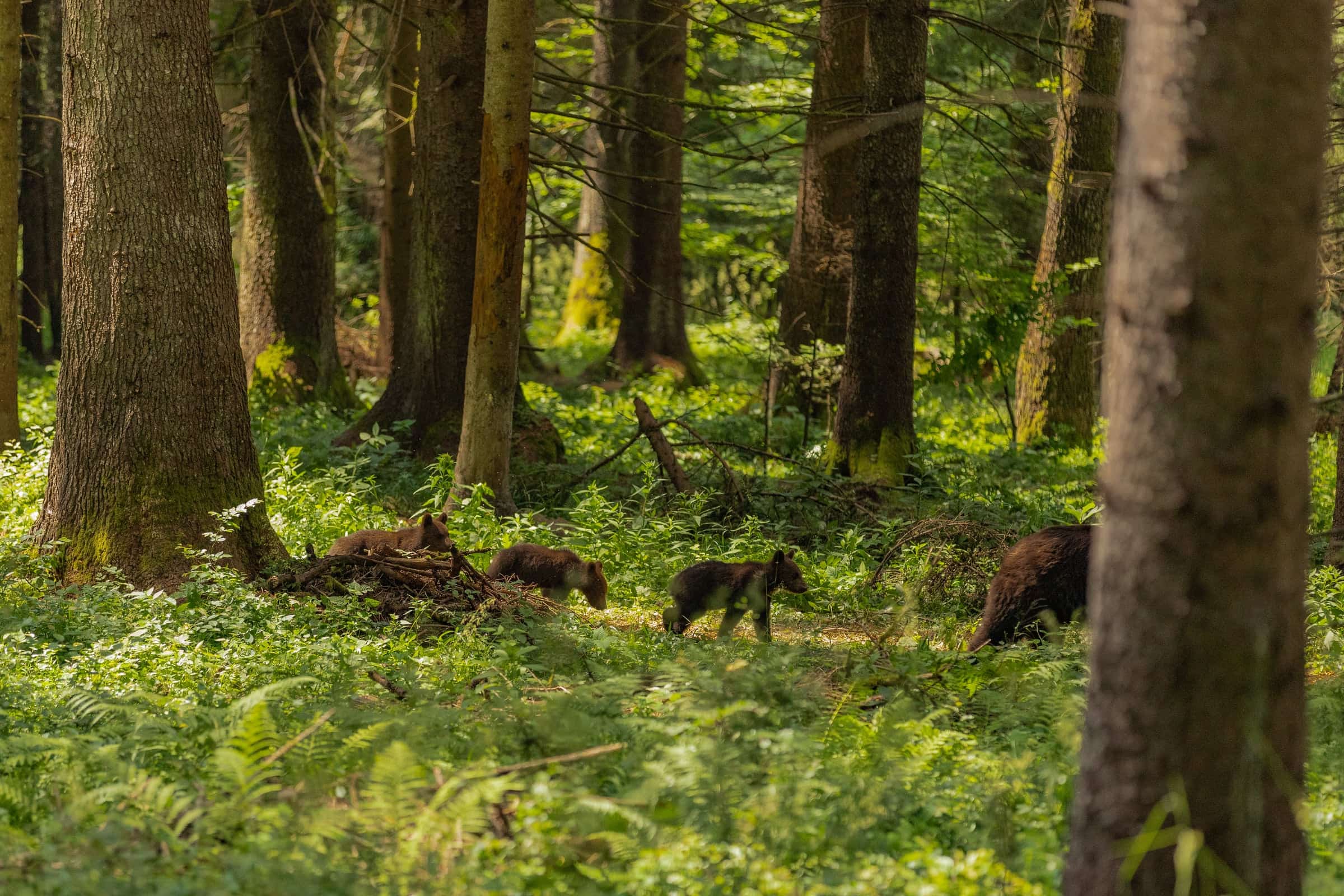
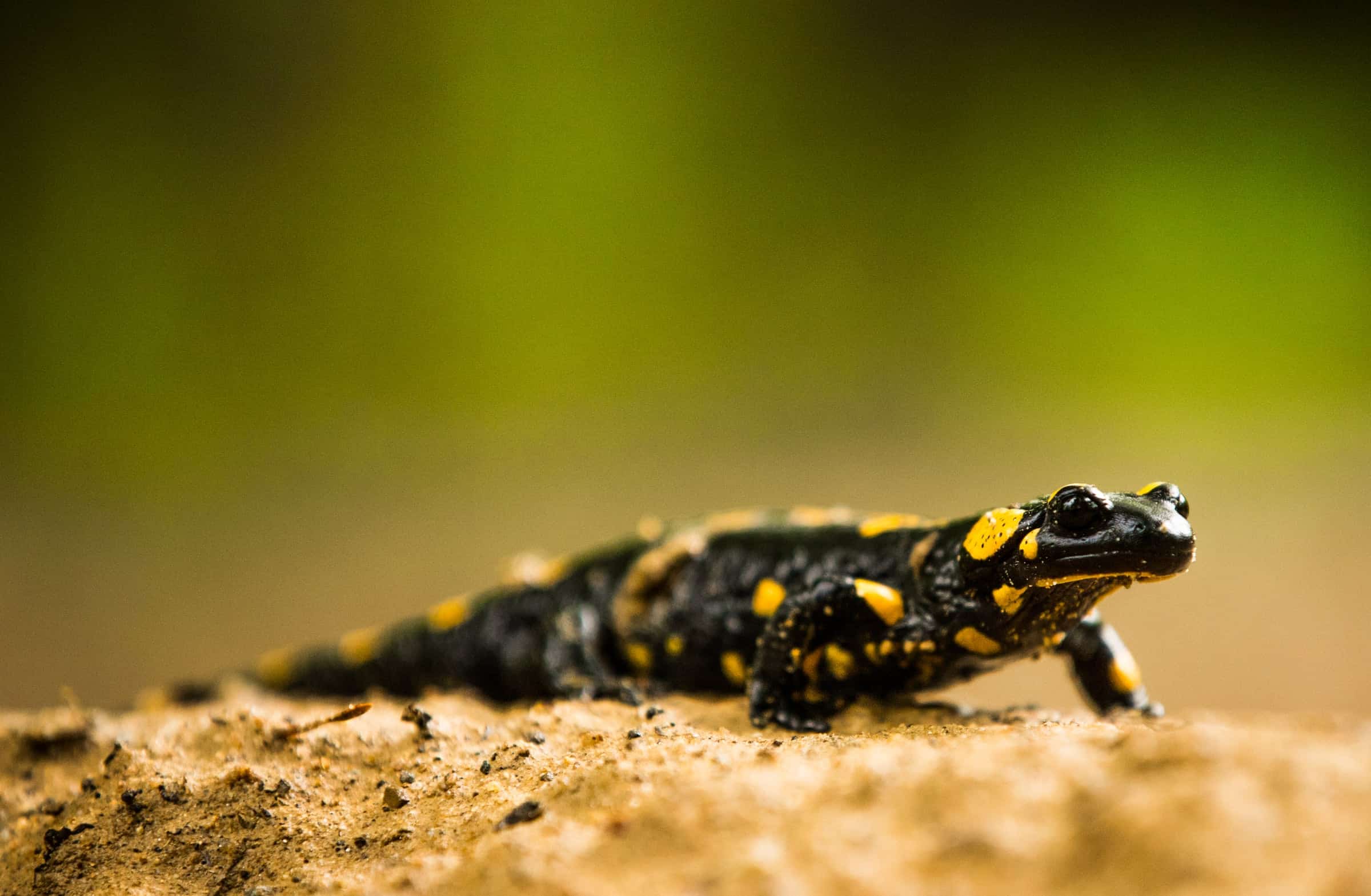
  • supports life — complex biodiversity
  • becomes stable and resilient over time
  • acts as a climate shield
About wood — without hypocrisy

Wood is part of our lives. Houses, furniture, paper — they all come from somewhere. The problem is not wood itself. The problem is how it is obtained.

The current model
  • large areas clear-cut
  • ecosystems destroyed
  • biodiversity lost

There is another question too: how do we respect it? Do we burn it and create more emissions than fossil fuels, or do we give it a long life, closer to the life of the tree itself?

The Forever Forest model
  • smaller quantities
  • selectively extracted
  • from multiple places
  • without destroying the forest

The forest remains alive. Biodiversity is maintained. And at the same time, wood can still exist without making the forest feel diminished.

A natural, renewable, biodegradable material — far better than synthetic alternatives.

The real difference

The forest remains whole.

We do not choose between total exploitation and absolute protection everywhere.

We choose a model in which the forest remains whole, even where we intervene.

We intervene only where needed. And only as much as necessary.

An applicable model

Replicable — and that is the intention.

Forever Forest is not only about the forests we protect. It is a model that can be — and should be — replicated.

  1. 01

    Private owners

    Families and entrepreneurs who own forest and want to keep it alive.

  2. 02

    The state and public administrations

    Forests in public ownership can follow the same principle.

  3. 03

    Other organizations

    NGOs, foundations, research institutions — open replication.

Full document

Criteria, methodology, and technical details.

The complete specification of the Forever Forest model — minimum requirements, extraction rules, biodiversity. Available in two languages.

We do not manage the forest in order to consume it.
We manage it in order to restore its life.